Want chewy dumplings at home without a special trip to a wagashi shop? This dango recipe uses two rice flours, warm water and a quick boil, and it works with any topping you like.
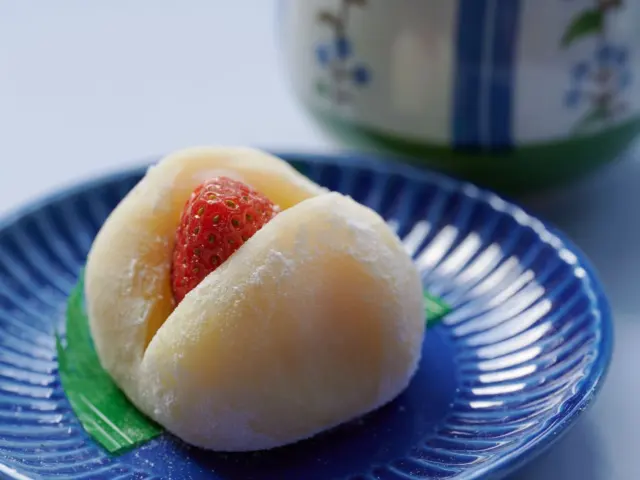
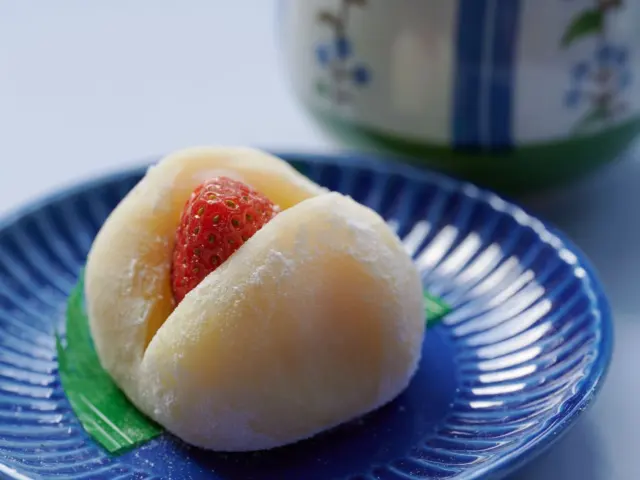
Dango sits among the many japanese desserts you can make in an ordinary kitchen.
| Item | Value |
|---|---|
| Classic flour ratio | 50-50 joshinko and shiratamako |
| Softer, more mochi-like ratio | 40% joshinko, 60% shiratamako |
| Dumplings per skewer | 3 to 5 small, round dumplings |
| Premixed flour alternative | Dangoko on its own tends to make tougher, less bouncy dango |
| Hanami dango colours | Pink, white and green |
The figures come from Just One Cookbook’s dango guide and Japanese Taste’s hanami dango guide. Ratios and advice can change between recipes, so check the source before you rely on them.
What dango is and why the texture matters
Dango (団子) is a sticky rice ball, usually skewered on a bamboo stick. You mix rice flour with water to make a pliable dough, shape it into balls and boil them.
The appeal is the bite: springy, soft and a little elastic. Everything in the recipe below is aimed at that texture.
Dango is a cousin of the confections covered in our guide on what is wagashi, the traditional sweets served with tea.
Ingredients and the two-flour trick
Most good dango starts with a mix of joshinko (上新粉) and shiratamako (白玉粉). Joshinko is regular short-grain rice flour, while shiratamako is made from glutinous rice, also called sweet rice.
You will need:
- Joshinko and shiratamako, or a premixed dangoko
- Warm water, added gradually
- A little sugar, if you like a slightly sweet dough
- Bamboo skewers
- A topping or glaze of your choice
Dangoko is the convenient choice. The cookbook source notes that dango made with just dangoko tend to be tougher and less bouncy, so the two-flour mix gives better texture.
Which ratio should you pick?
Use a 50-50 ratio of joshinko and shiratamako for a bouncy, chewy dumpling that is not too sticky and soft. If you want something closer to mochi, drop the joshinko to 40% and raise the shiratamako to 60%.
Step-by-step dango recipe
- Whisk the two flours and the sugar in a bowl.
- Add warm water a little at a time, kneading until the dough is smooth and slightly elastic, like a soft earlobe.
- Roll the dough into small, even balls so they cook at the same rate.
- Drop the balls into a large pot of boiling water and cook until they float, then a little longer until tender.
- Lift them into iced water to cool, which keeps the texture bouncy.
- Thread three to five dumplings onto each bamboo skewer.
- Grill or char lightly if you want a toasted flavour, then add your topping.
Add the water slowly. A dough that is too wet sticks to your hands, and you can fix a dry dough with a few drops more water.
Toppings and glazes
The skewer is a blank canvas. Just One Cookbook lists these classic options:
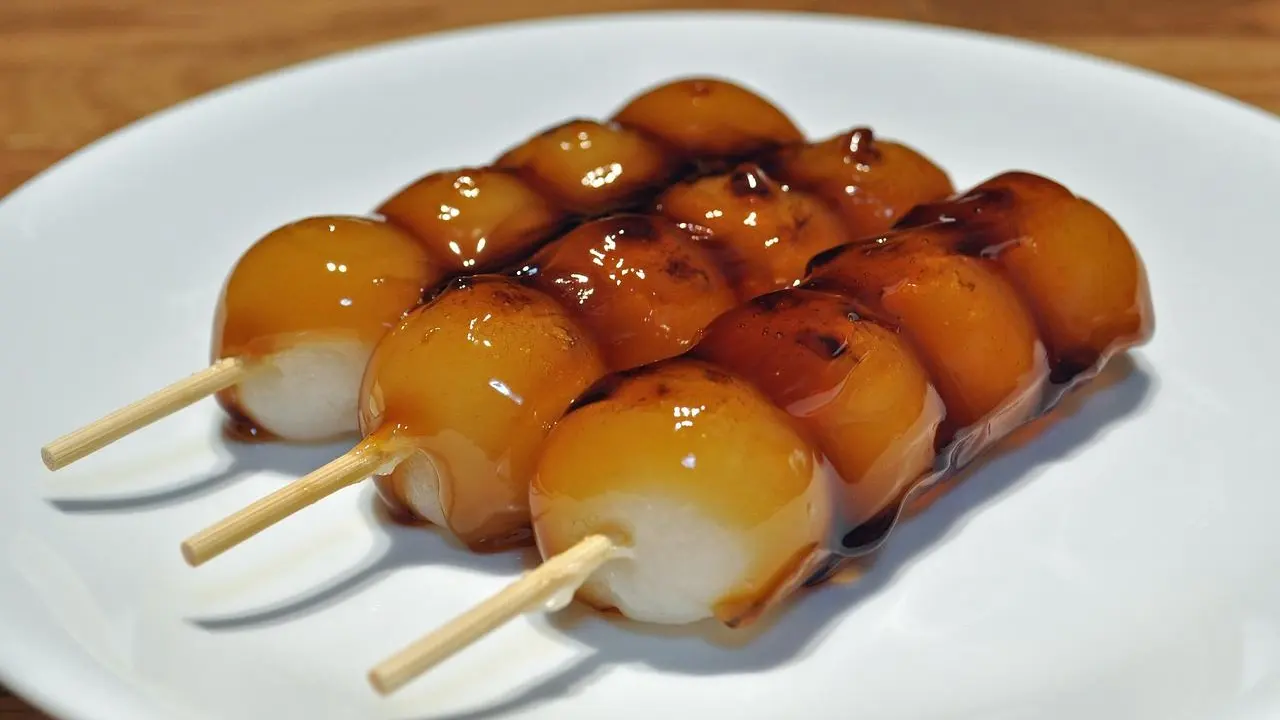
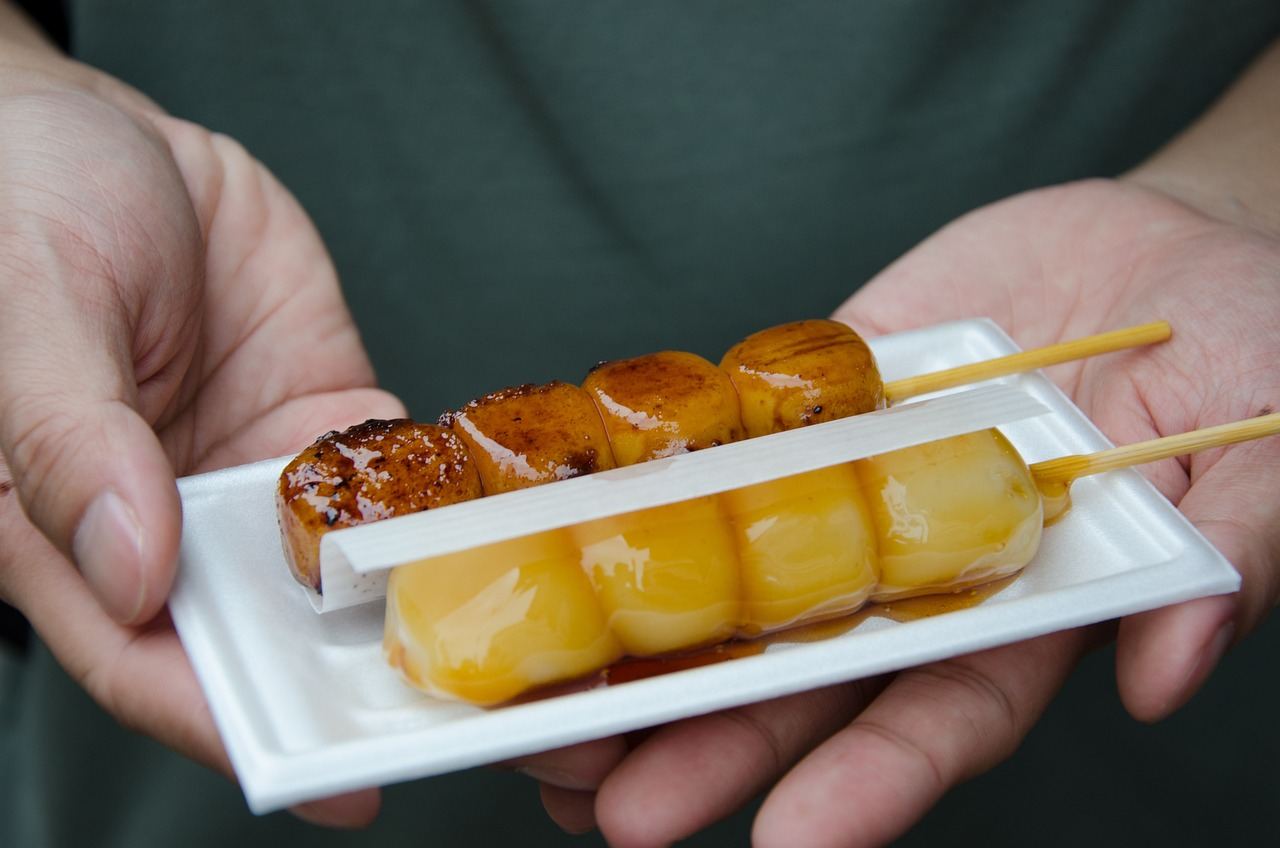
- A sweet soy glaze, as in mitarashi dango
- Sweet red bean paste (anko)
- Sweet soybean flour (kinako) mixed with sugar
- Sweet matcha paste
If you want to make your own red bean topping, follow our anko recipe for a smooth paste.
For the soy glaze, simmer soy sauce, sugar, mirin and water, then thicken it with a little starch. Brush or spoon it over warm dumplings so it clings.
Two classic skewers to try
Hanami dango: the three-colour version
Hanami dango is served on a skewer in three colours: pink, white and green. Green is earthy, made with matcha or mugwort (yomogi).
To make it, divide your dough into three portions and colour or flavour two of them. Japanese Taste explains that the colours stand for pink blossoms, white purity and green new growth.
The same source says that at the Mitarashi Festival in Kyoto, dango are offered to deities in three colours as part of traditional ceremonies. It describes the festival as one of the country’s oldest, dating back to the 8th century.
Mitarashi dango: the sweet soy classic
The most familiar skewer is mitarashi dango, which is plain dumplings coated in a glossy, sweet-salty soy glaze. It is a good first project because the dumplings are the same dough described above and the glaze takes only a few minutes.
Combine soy sauce, sugar, mirin and water in a small pan and heat gently, stirring so the sugar dissolves. Stir in a little starch mixed with cold water and simmer until the sauce turns glossy and thick enough to coat a spoon.
Grilling the skewers briefly before glazing adds a light char that plays well against the sweet sauce. If you have no grill, a dry frying pan over medium heat does the job, turning the skewers until they have a few golden spots.
Tips, troubleshooting and serving
Tips for chewy, tender dumplings
- Knead until smooth. A crumbly dough gives cracked, dry balls.
- Keep the balls the same size for even cooking.
- Cool them in iced water after boiling.
- Serve fresh. Rice dumplings firm up as they sit, so make them close to serving time.
Pair them with green tea, which suits the sweetness of the glaze.
Troubleshooting common problems
Use this list to troubleshoot your dumplings.
- Dumplings feel hard: dango made with dangoko alone tend to be tougher and less bouncy, according to the source above. Switch to the two-flour mix.
- Dumplings stick to each other: give them room in the pot and stir gently once after they go in.
If a batch still disappoints, do not throw it out. Warm the dumplings briefly and coat them generously in glaze or kinako, which hides a lot of small flaws.
Serving, pairing and planning ahead
Dango is at its best the day you make it, so plan the cooking close to the moment you want to eat. The dough can be shaped in advance, but boil the dumplings just before serving for the springiest bite.
Set out two or three toppings and let everyone dress their own skewer. A table with a sweet soy glaze, red bean paste and kinako makes a relaxed dessert for guests, and it needs almost no extra equipment.
Because the dumplings themselves are mild, they pair well with strong flavours. Unsweetened green tea balances the sugar in the glaze, and a bowl of fresh fruit adds a contrast in texture.
For a spring gathering, make the three-colour version and serve it outdoors if the weather allows. That is the spirit behind hanami dango, which is eaten while enjoying the blossoms.
Frequently asked questions
Can I use only dangoko?
Show answer
Yes, but Just One Cookbook notes that dango made with only dangoko tend to be tougher and less bouncy or elastic than dango from a joshinko and shiratamako blend.
How many dumplings go on a skewer?
Show answer
The most common serving is 3 to 5 small, round dumplings on a bamboo skewer.
How do I get a softer, more mochi-like dango?
Show answer
Lower the joshinko to 40% and raise the shiratamako to 60%.
What is the difference between mitarashi and hanami dango?
Show answer
Mitarashi dango is coated in a sweet soy glaze. Hanami dango is a plain skewer in pink, white and green.