Wondering what is kinako, and whether it belongs in your pantry? It is Japanese roasted soybean flour: a nutty, lightly sweet powder you dust over mochi, dango and other sweets.
If you are exploring more treats, start with our guide to japanese tea and sweets.
| Item | Key fact |
|---|---|
| Meaning of the name | “Yellow flour” |
| Main ingredient | Roasted soybeans |
| Flavor | Nutty, similar to roasted peanuts |
| Typical use | Topping for rice cakes such as mochi |
| An early record of the word | 1587 tea ceremony text |
| Where to find it | Dried food aisle of Asian and Japanese grocery stores |
These facts come from Wikipedia’s Kinako entry and Just One Cookbook. Pages get edited and products change, so check the sources before you rely on any figure.
What kinako is and where the name comes from
Kinako (黄粉 or きなこ) means “yellow flour” and is roasted soybean flour used in Japanese cuisine. In English it is usually called “roasted soy flour”.
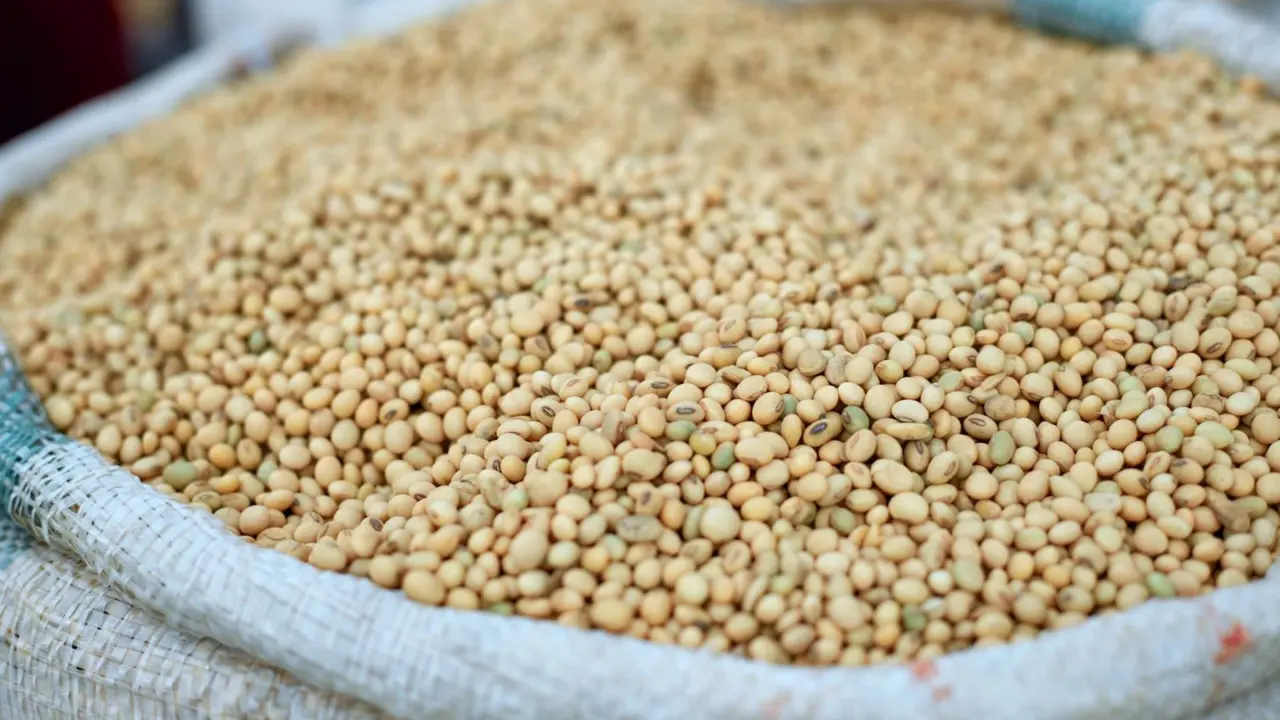
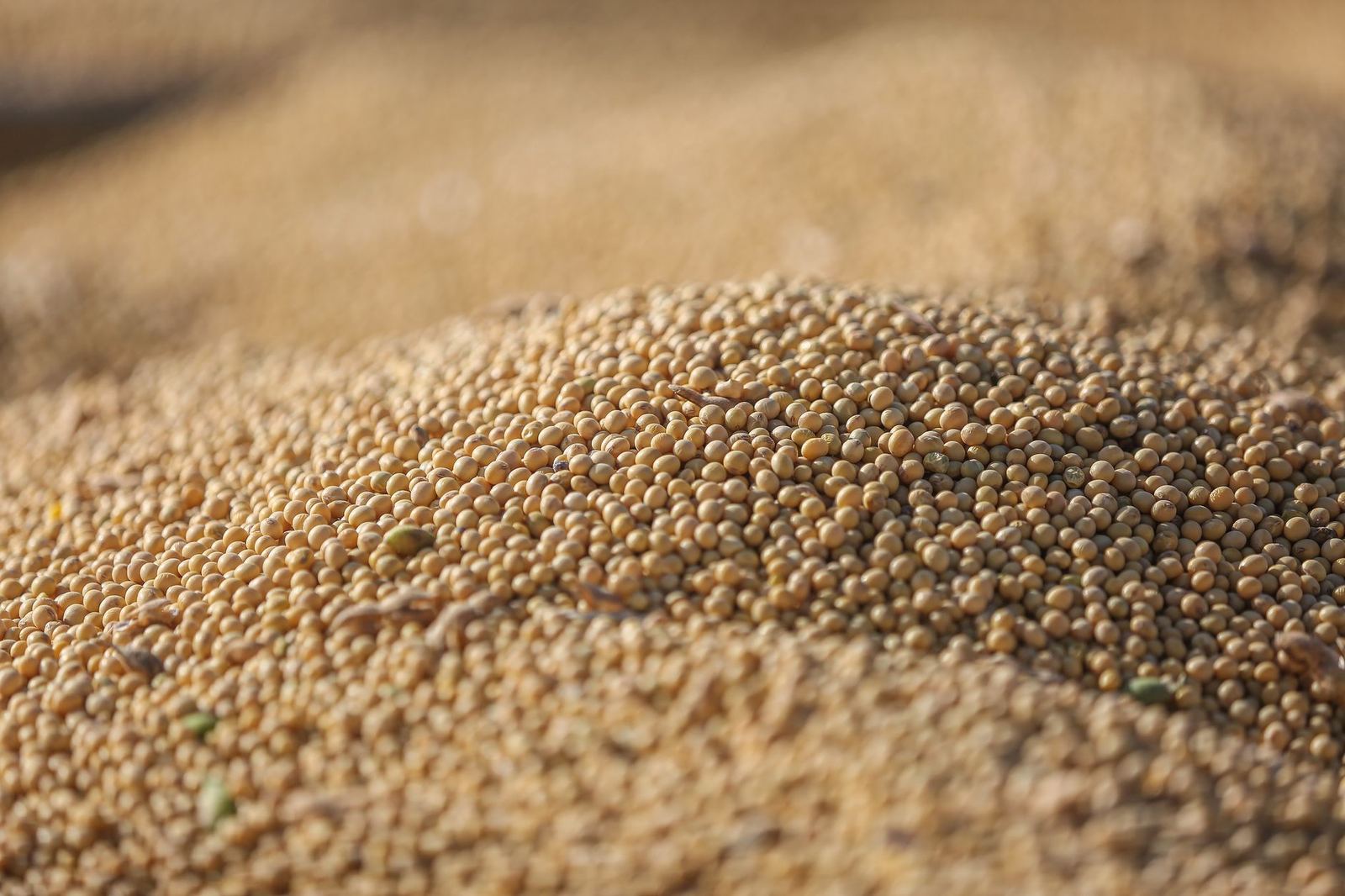
The flour is made by roasting soybeans and then grinding them into a fine powder. Roasting is what gives it a toasty character, so it is quite different from raw soy flour.
The word has a long history. An early record comes from a tea ceremony cookery diary written in 1587 by the tea master Sen no Sōtan.
What does kinako taste like?
The flavor is nutty and often compared to roasted peanuts. Just One Cookbook notes that it tastes nutty without the bean-y taste and smell of soybeans.
On its own the powder is mild and a little dry, and it can taste faintly sweet. In wagashi it is mixed with sugar, which is why kinako sweets taste like a warm, toasty peanut butter without the oil.
The texture is very fine, so it clings to sticky foods. A small spoonful goes a long way.
Classic ways to use kinako in Japanese sweets
Traditionally kinako is a topping. Wikipedia says it is mostly used to flavor rice cakes like mochi, and Just One Cookbook lists daifuku, warabi mochi, dango and ohagi as sweets that get the powder sprinkled over them.
Common examples include:
- Abekawa-mochi: soft rice cake coated in sweetened kinako.
- Dango: dumplings made from rice flour, commonly coated with kinako.
- Warabi mochi: a famous kinako-covered sweet.
- Ohagi: rice and sweet bean treats that can be rolled in the powder.
The pairing works because the sticky, mild sweetness of mochi meets the dry, nutty powder. A little sugar in the kinako rounds it out.
Everyday and modern ideas
Kinako is not only for traditional sweets. Combined with milk or soy milk, it can also be made into a drink, and Just One Cookbook suggests adding spoonfuls to yogurt bowls, oatmeal, lattes, smoothies or milkshakes.
It also works in baking, where it adds a toasty note to doughs. If you like green tea baking, try the matcha cookies recipe and think about how a spoonful of kinako could sit alongside it.
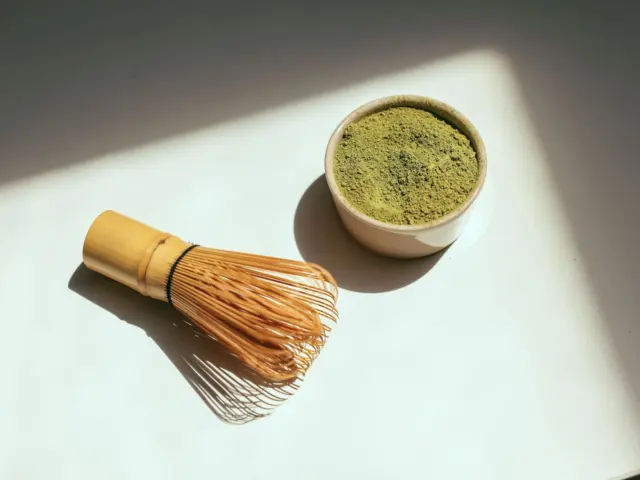
Kinako and matcha are natural partners, since both are fine powders with a toasted or grassy depth. If you want to serve a bowl with your sweets, read how to make matcha in our guide on how to make matcha.
- Mix kinako with a little sugar to taste.
- Toss or roll warm mochi, dango or rice balls in the mixture.
- Serve straight away so the coating stays dry and fragrant.
Nutrition, varieties and buying tips
Because it is made of soybeans, kinako is a nutritious topping. Wikipedia says it contains B vitamins and protein, though it adds that, compared with boiled soybeans, the protein in kinako is not easily digested.
You can also find kinako made from black soybeans, which Just One Cookbook says tends to be slightly more expensive but has more nutrients than regular kinako.
You can find it in the dried food aisle of Asian and Japanese grocery stores. Choose a sealed bag, keep it closed and away from moisture, and check the label for any added sugar if you plan to sweeten it yourself. Soy is a common allergen, so avoid it if you are allergic.
Simple ways to try kinako at home
If you have never cooked with it, begin with the easiest route: a sweet dusting. Stir sugar into the powder, taste it, and adjust until it suits you, since sweetness is a personal call.
Here are low-effort ideas for a first bag:
- Sprinkle the sweetened powder over warm mochi or store-bought dango.
- Stir a spoonful into warm milk or soy milk for a toasty drink.
- Scatter some over yogurt, oatmeal or ice cream.
- Blend a spoonful into a smoothie with banana.
Because kinako is so fine, it can clump in liquids. Whisk it with a small splash first to make a paste, then add the rest of the liquid slowly.
When dusting sticky sweets, sift the powder through a small strainer. This gives an even, light coat rather than heavy patches, and it keeps the sweet from tasting dry.
Pairing kinako with tea
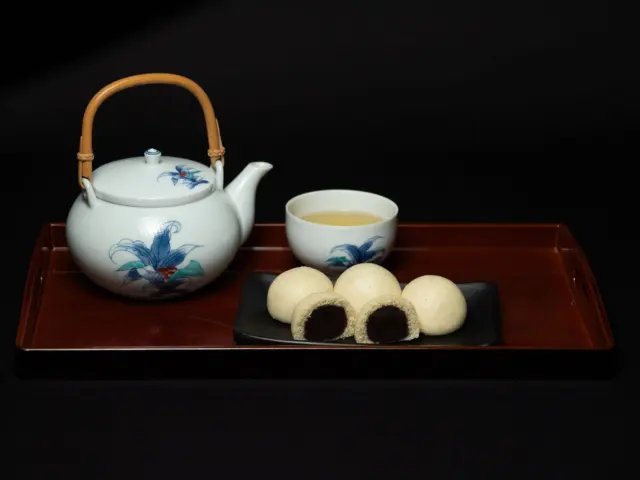
Kinako sweets are traditionally enjoyed with tea, and the match makes sense. The dry, toasty powder and the soft chew of mochi call for something warm and clean to sip alongside.
A bowl of matcha is a classic partner, because its gentle bitterness balances sugared kinako. Roasted teas such as hojicha also suit the nutty flavor, and a plain green tea works well when you want something lighter.
Think about contrast when you plan a tray of sweets. Pair a sweet kinako mochi with an unsweetened drink, and keep any other treats milder so the toasty flavor stays clear.
Storing kinako and avoiding common mistakes
Treat kinako like any fine, dry powder. Keep it in a tightly closed container in a cool, dry place, and avoid scooping with a wet spoon. Moisture is the main enemy of any fine powder, since it causes clumping and dulls the aroma.
Check the label on your bag for the best-by guidance, as that is the safest rule. If the powder smells stale or off, replace it.
Common mistakes are easy to dodge:
- Using too much. The powder is dry, so a heavy coating can taste chalky.
- Skipping the sugar on sweets. Plain kinako is mild and benefits from a little sweetness.
- Dusting too early. Add it just before serving so it does not absorb moisture from the sweet.
- Adding it straight to a hot liquid. Make a paste first to avoid lumps.
Frequently asked questions
Is kinako the same as soy flour?
Show answer
Not quite. Kinako is roasted soybean flour, which Wikipedia says is usually called “roasted soy flour” in English, so it has a toasted, nutty taste.
Does kinako taste like soybeans?
Show answer
Not in a beany way. Just One Cookbook describes it as nutty, sometimes compared to roasted peanuts, without the bean-y taste and smell of soybeans.
Where can I buy kinako?
Show answer
Look in the dried food aisle of Asian and Japanese grocery stores, according to Just One Cookbook.
Is kinako sweet?
Show answer
It is slightly sweet by itself, and it is mixed with sugar when used in wagashi. Add sugar to taste at home.