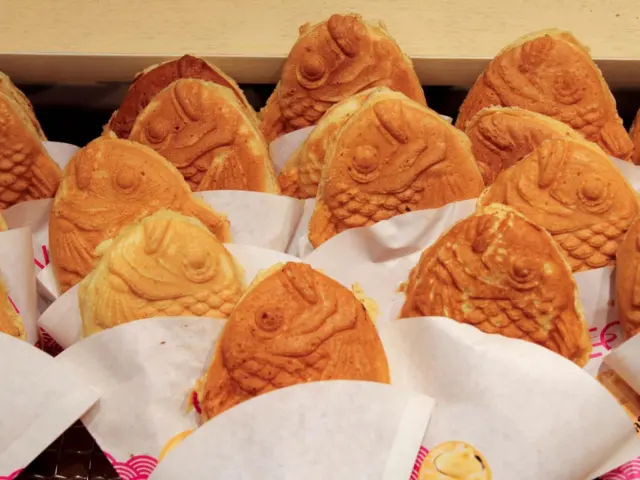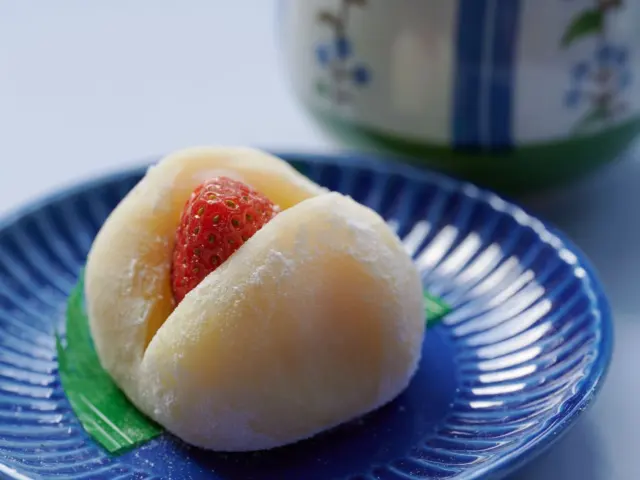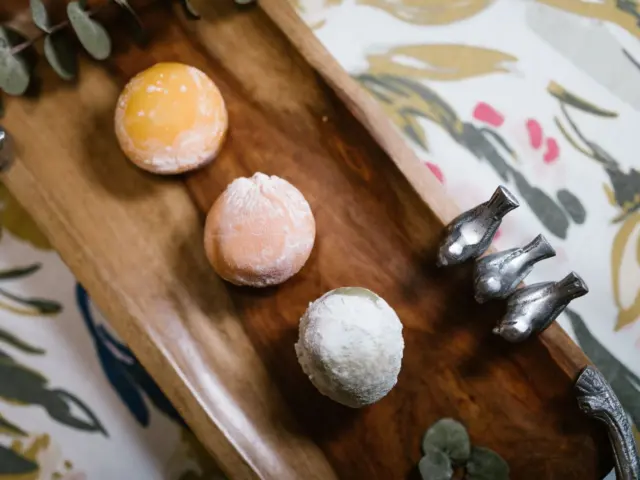
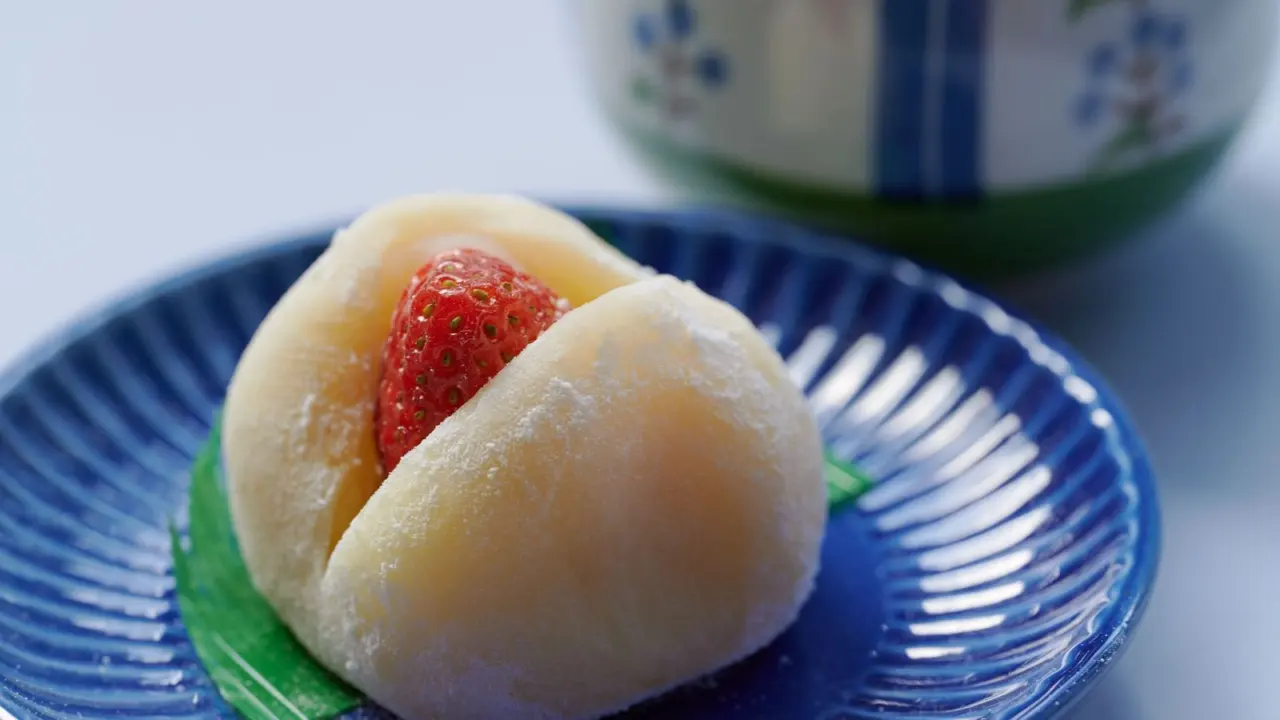
Seeing delicate sweets in a Japanese tea shop and wondering what is wagashi? It is the family of traditional Japanese confections, made mostly from rice, beans and sugar, and usually enjoyed with green tea.
Wagashi sit at the heart of japanese desserts, and this guide explains what they are, how they are grouped and how to try them.
| Item | Value |
|---|---|
| Main types fully developed by | End of the Edo era (1603-1868) |
| Term “wagashi” came into use | Meiji period (1868-1912) |
| Use of oil and fat | Minimal |
| Primary ingredients | Grains such as wheat and rice, azuki beans, soybeans and sugar |
| Traditional drink pairing | Green tea |
These figures come from a Japanese Taste guide to wagashi. Sources can be updated, so check the page before you rely on them.
What wagashi actually are
The word combines “wa”, meaning Japanese, with “kashi”, meaning confection. In plain terms, wagashi are the sweets Japan developed before Western-style cakes and candy arrived.
They are built on plant ingredients rather than butter, cream and eggs. That gives them a clean, gentle sweetness that is meant to be balanced by a cup of tea.
Because the ingredient list is short and plain, quality shows in texture, balance and the care taken in shaping. A good piece should taste of its beans, rice or fruit rather than of sugar alone.
Many wagashi are also made to look beautiful. Makers shape them into flowers, leaves and landscapes, so a single sweet can say something about the season.
A short history of Japanese sweets
Wagashi were not always called that. The name only appeared once Western sweets reached Japan, and “wa” was added to tell the two apart.
According to the Japanese Taste guide, the term was used in the Meiji period (1868-1912) for exactly this reason. The sweets themselves are much older than the label.
By the end of the Edo era (1603-1868), the main types of wagashi that exist today had all been developed. Modern makers have tweaked the range, but the core styles have stayed recognisable for generations.
What wagashi are made of
Wagashi rely on a short list of ingredients, and the skill lies in how they are handled. The guide describes the usual building blocks like this:
- Grains: wheat and rice, with rice used in many inventive ways.
- Beans: red azuki beans and soybeans are the most common, turned into sweet bean paste.
- Sugar: the main sweetener.
- Fruit and agar: used for colour, seasonal character and jelly-like textures.
Because oil and fat are used minimally, wagashi tend to be lower in fat and calories than Western counterparts. They are, however, fairly high in carbohydrates.
Main types of wagashi
There are countless wagashi, so it helps to sort them by how they are made and how fresh they are. Two systems come up most often.
By how they are made
Makers group wagashi by method. A few categories you will meet:
- Mushigashi, or steamed sweets, such as manju, the steamed bean jam buns.
- Mochi-based sweets, made from pounded glutinous rice. Our mochi recipe shows how soft and stretchy that dough can be at home.
- Dumplings on skewers, which you can explore in our dango recipe.
- Jelled sweets, such as yokan, set with agar.
By how fresh they are
The second system is by moisture. Fresh sweets are called namagashi, half-fresh ones han-namagashi and dry ones higashi. Some types always sit in one group, such as rice crackers, which are always higashi.
Others, including manju and yokan, can fall into either namagashi or han-namagashi depending on how they are produced. In practice, the wetter the sweet, the sooner it should be eaten.
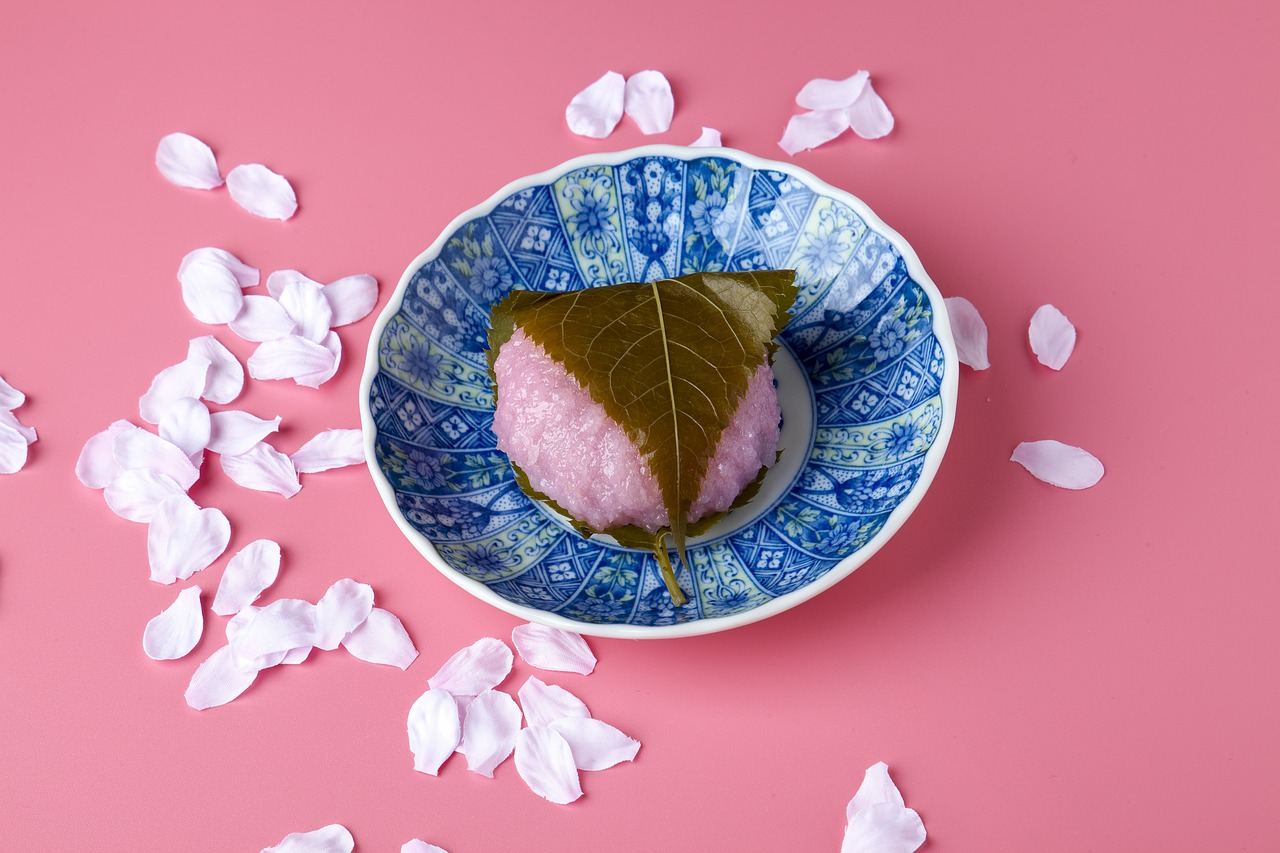
Seasons and tea: how wagashi are enjoyed
Seasonality is a defining trait of wagashi. Sweets change with the calendar, with colours, shapes and ingredients echoing what is happening outdoors.
- Spring: sakuramochi, cherry blossom rice cakes, and hanami dango, skewered dumplings in pink, white and green.
- Summer: cool mizuyokan, a sweetened water yokan.
- Winter: hanabira-mochi, a white rice cake wrapped around a pink one, eaten at the first tea ceremony of the year.
Tea matters as much as the sweet. Some newcomers find wagashi too sweet, but they are intended to be drunk with green tea, and the tea’s bitterness against the sweetness creates a yin and yang effect that embodies the Japanese concept of “wa”, or harmony.
How wagashi differ from Western desserts
A slice of sponge cake and a piece of wagashi can both be dessert, yet they feel very different. Wagashi are usually small, quiet in flavour and designed to be eaten in a few bites.
Texture does much of the work. Instead of airy crumb or rich cream, you meet smooth bean paste, chewy rice dough, firm jelly or a crisp, melting dry sweet. Each bite is about contrast rather than intensity.
Presentation matters too. Wagashi are often served on a small plate with a pick, alongside tea, so the sweet and the drink become one moment. That pairing is the real answer to why they taste mild on their own.
- Flavour: gentle sweetness from sugar and bean paste, not heavy richness.
- Portion: small, often a single bite or two.
- Look: shaped by hand to suggest nature and the season.
- Serving: alongside green tea.
How to start trying wagashi
Begin with a simple, familiar shape. A manju or a mochi sweet filled with azuki paste is an easy first taste, and both are widely sold.
- Pick one sweet that suits the season.
- Brew a cup of green tea without sugar or milk.
- Take a small bite of the sweet first, then sip the tea.
- Notice how the bitterness resets your palate before the next bite.
If you are buying in a shop, ask which sweets suit the current season. Staff can usually tell you what each one is filled with, which helps if you avoid certain ingredients such as soy or wheat.
Making wagashi at home is another good way in. Simple rice-based sweets need few ingredients, and learning the dough by hand teaches you why texture is so central. Start with a small batch so that you can eat everything while it is fresh.
Eat fresh sweets soon after buying them. Dry sweets keep better, which makes them the easier choice for gifts or for keeping at home.
Choosing wagashi for a gift or a tea break
Wagashi make thoughtful gifts because they carry the season with them. A sweet that echoes spring blossom or summer coolness tells the person you chose it with care.
For gifts, dry sweets are the practical pick. Fresh sweets are lovely, but they are best eaten promptly, so they suit a tea break you will share on the same day.
- Choose dry sweets if the gift must travel or wait.
- Choose fresh sweets for a shared tea break the same day.
- Check the filling if the recipient has allergies.
- Pair the box with good green tea to complete the gift.
Whatever you pick, take your time. Wagashi reward slow eating, because the shape, the scent and the first sip of tea are all part of the experience.
Frequently asked questions
What does wagashi mean?
Show answer
It means Japanese confection. The “wa” was added to distinguish these sweets from Western ones when the latter arrived in the Meiji period (1868-1912).
Are wagashi healthy?
Show answer
They tend to be lower in fat and calories than Western counterparts because oil and fat are used minimally, but they are fairly high in carbohydrates. Treat them as a sweet treat, not a health food.
What are wagashi usually made from?
Show answer
Mostly grains such as wheat and rice, azuki beans and soybeans, and sugar. Fruit and agar also appear in some.
What is the difference between namagashi and higashi?
Show answer
Namagashi are fresh, moist sweets, while higashi are dry ones. Han-namagashi sit in between, and some types such as manju and yokan can be either namagashi or han-namagashi.