Not sure where to begin with japanese desserts? Start with a few classics: mochi, dorayaki, taiyaki, castella and soufflé cheesecake. Each is simple to recognise, and this guide shows what makes it different.
| Item | Key fact |
|---|---|
| City where castella was popularized | Nagasaki |
| Language of the name castella | Portuguese |
| Most common taiyaki filling | Anko (sweet bean paste) |
These facts come from Fun! Japan’s history of wagashi and Wikipedia’s castella entry. Dates and origin stories vary between sources and can change, so check the source before you rely on them.
What counts as a Japanese dessert?
The word wagashi covers the traditional sweets of Japan. They lean on rice, beans, sugar and seasonal fruit, and they are usually plant-based. If you want the full picture of that tradition, the what is wagashi guide goes deeper than this overview does.
Alongside them sits yogashi, the Western-style cakes and pastries that Japanese bakers have reshaped over time. Together the two groups make up the everyday dessert world you will meet in a Tokyo department store basement or a village bakery.
What unites them is restraint. Japanese sweets tend to be less sugary than many Western ones, and texture matters as much as flavour. Chewy, springy, silky and cloud-soft are all prized qualities.
How to think about a Japanese sweets counter
A traditional shop usually offers a small range, and the display changes with the weather. You will often see a few sweets that are soft and fresh, a few that are baked, and some that are dry and keep for weeks. Dry sweets, such as pressed sugar candies and crisp wafers, travel well and make the easiest gifts.
For fresh sweets, check the shop’s storage and serving instructions.
Nothing here requires an expert’s palate. Start by choosing one filled sweet, one baked sweet and one plain, then compare how each feels in your mouth. That small tasting teaches you more than any glossary.
Three waves of influence
Fun! Japan’s history describes Japanese confectionery as shaped by three outside influences. It says the sweets were influenced by “Togashi (Tang’s sweets)” from China, “Nanbangashi” from Portugal as well as “Seiyokashi (western sweets)”. You can read the full account on Fun! Japan.
- Chinese sweets: envoys returning from China brought Tang confectionery between the seventh and ninth century.
- Portuguese sweets: traders and missionaries introduced egg-and-flour cakes in the sixteenth century.
- Western sweets: sponge cakes and biscuits arrived in the Meiji period and influenced how wagashi developed.
The same page notes that most wagashi seen today were created during the Edo period. That is why so many classics feel old and yet remain on shop shelves.
Classic wagashi to know first
Most beginners meet wagashi through a handful of shapes and fillings. Learn these and you can read almost any sweets counter. Each one below has its own recipe page if you want to try it at home.
Anko: the sweet bean paste behind many sweets
Few ingredients matter more than anko. It is sweetened adzuki bean paste, and it can be smooth (koshian) or chunky (tsubuan). Our anko recipe shows how simple it is to cook a batch from dried beans.
Anko tastes earthy and gently sweet, not like jam. Once you have a jar of it, you can fill pancakes, spread it on toast or stuff it into rice cakes.
Mochi and daifuku
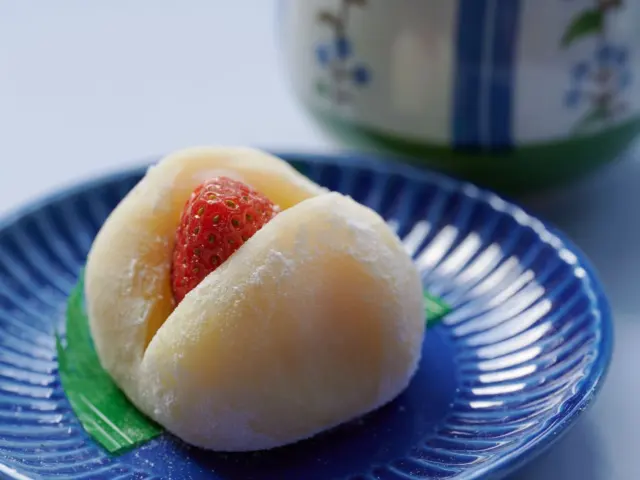
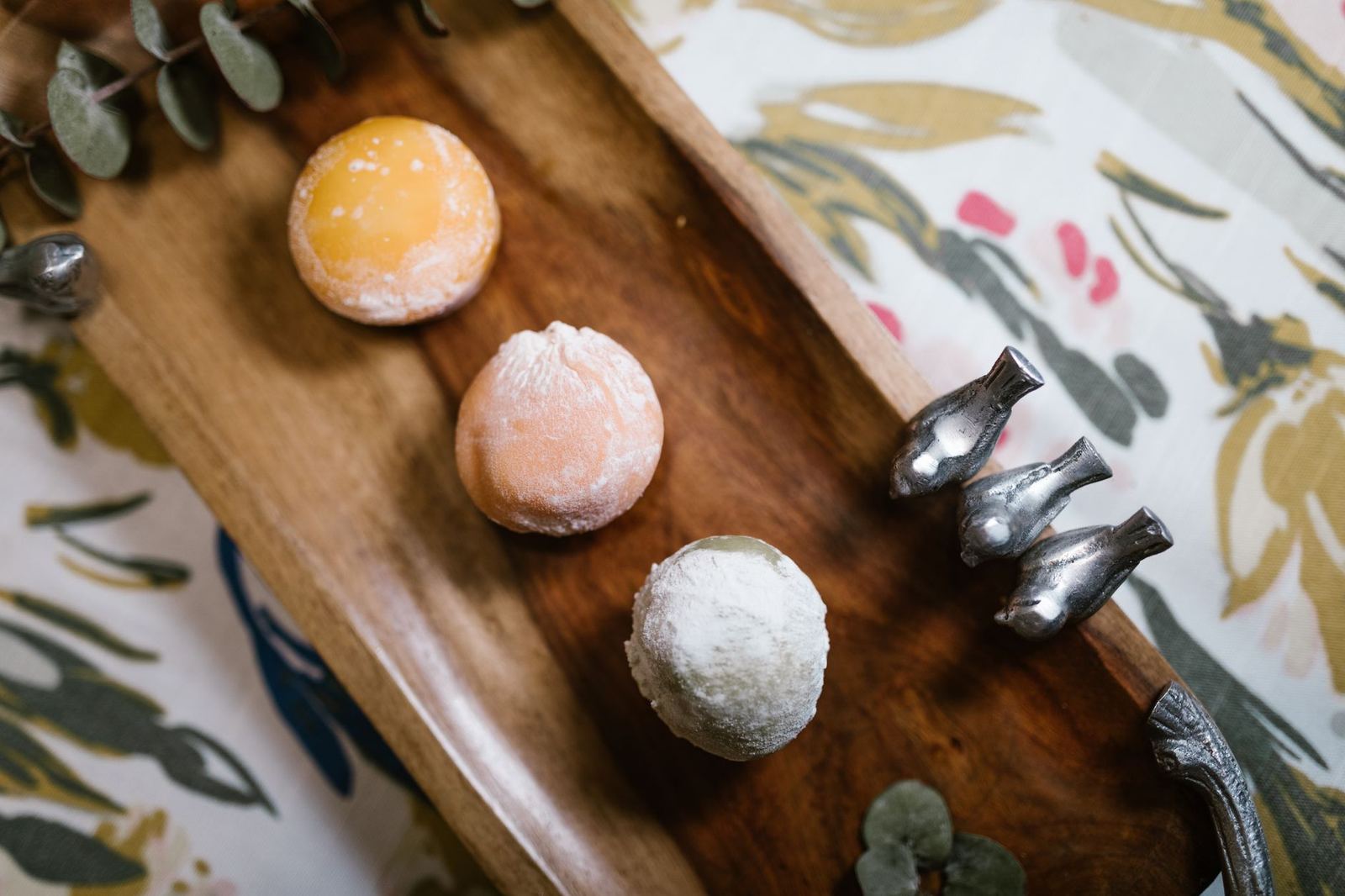
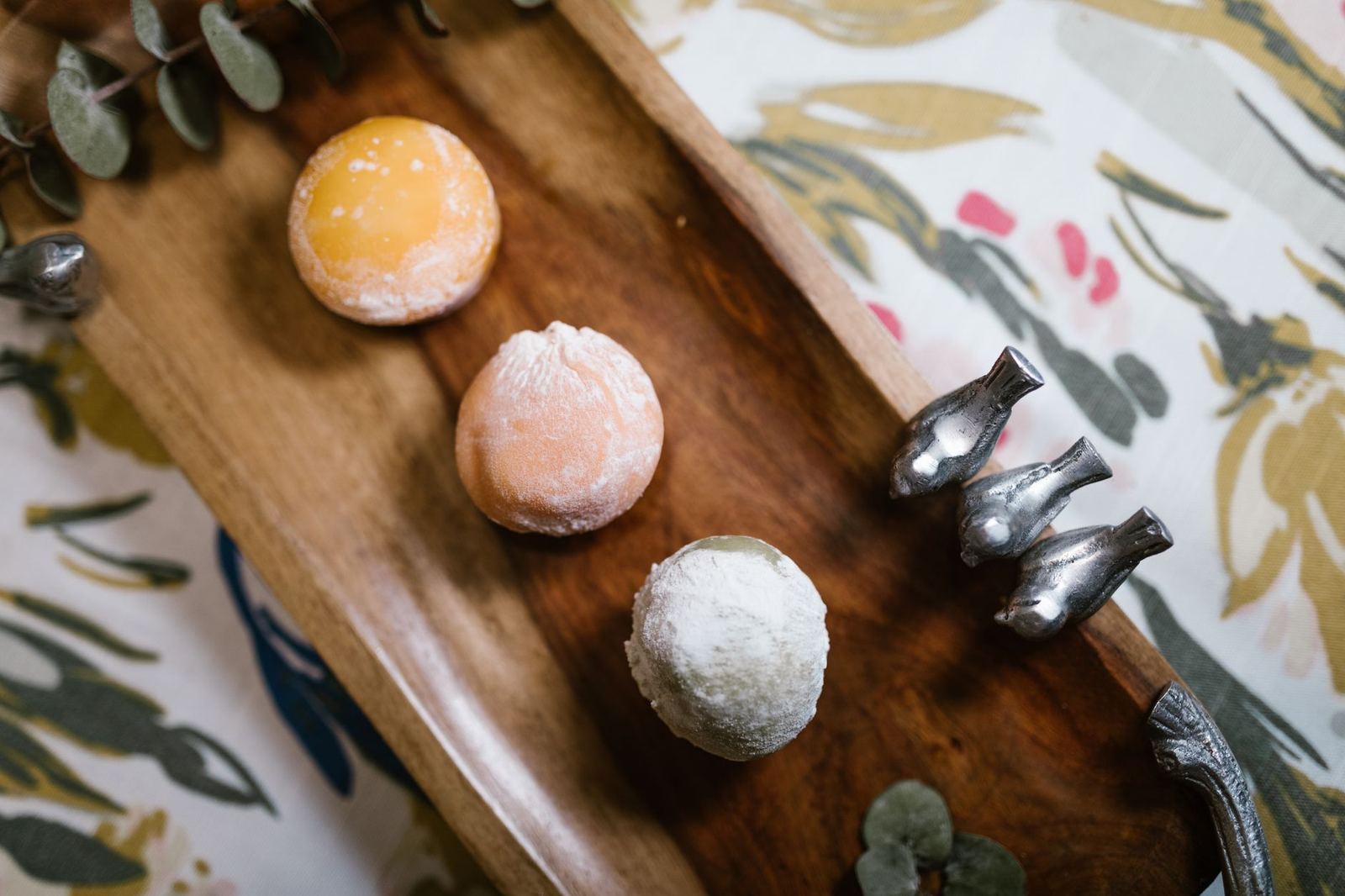
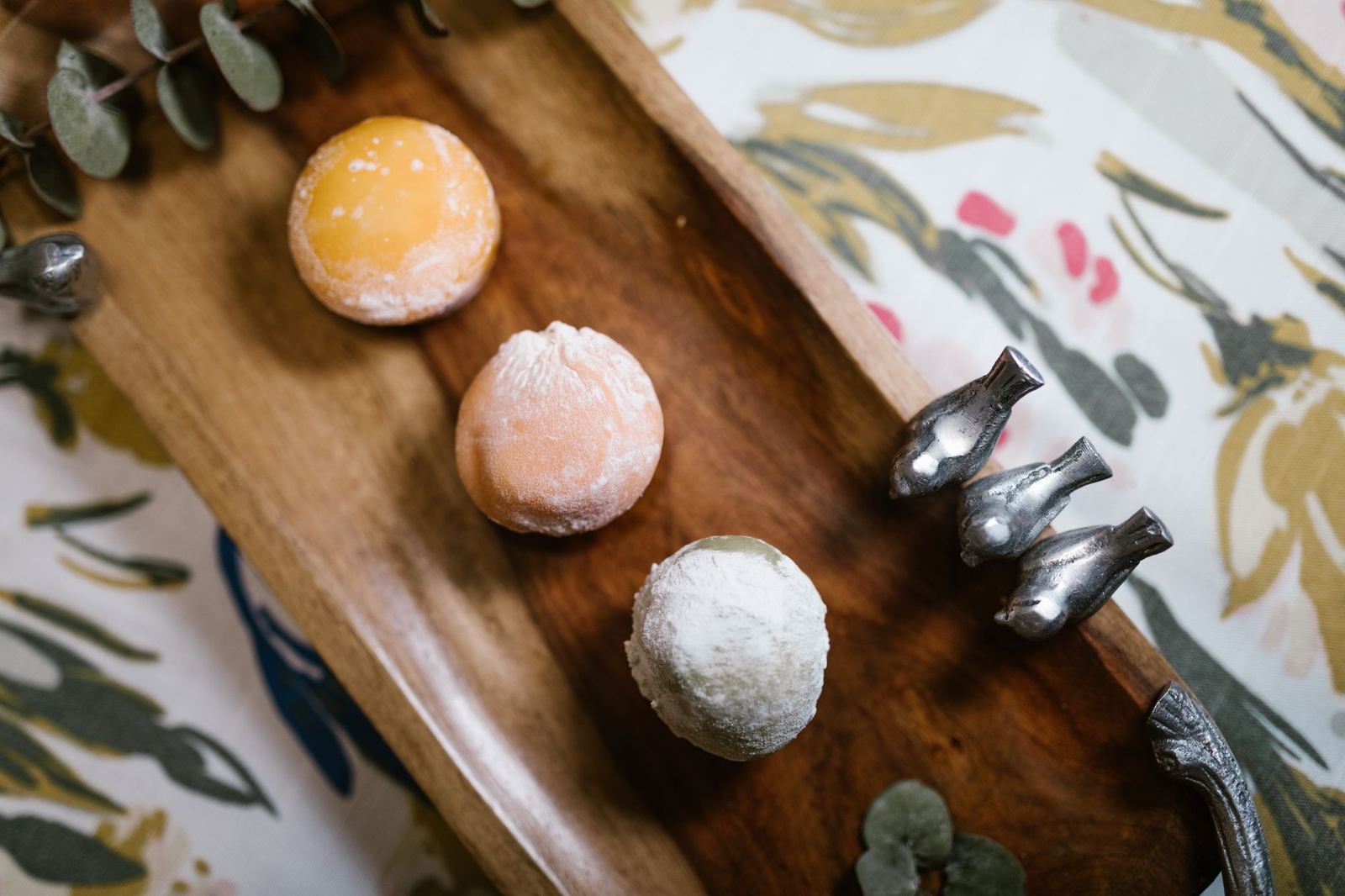
Mochi is a soft, stretchy rice cake made from glutinous rice. Daifuku is mochi wrapped around a sweet filling, most often anko, and sometimes with a whole strawberry tucked inside. Try our mochi recipe for a first attempt that needs only a few pantry items.
Mochi hardens quickly as it cools, so it is best eaten the day it is made. Dusting your hands and the work surface well keeps it from sticking.
Dango
Dango are small rice-flour dumplings, usually skewered. Fun! Japan notes that in ancient times mochi and dango were made from grains, long before Tang confectionery arrived. Try the dango recipe if you want a chewy treat with a sticky soy-sugar glaze or a sweet bean topping.
Dango are easy to make because they need no steaming rack and no special mould. You boil the dumplings, cool them in water and skewer them.
Yokan, manju and nerikiri
There is more to wagashi than these staples. A few others you will often see are:
- Yokan: a firm, sliceable block of sweet bean paste, often set with agar.
- Manju: a steamed or baked bun with a bean-paste filling.
- Nerikiri: hand-shaped sweets of bean paste and mochi, modelled into flowers and leaves for tea gatherings.
- Monaka: crisp wafer shells that sandwich anko.
Sweets like these are often tied to the seasons. Fun! Japan mentions that seasonal festivals helped chimaki, hishi-mochi and manju spread across the country.
Choosing between smooth and chunky fillings
Smooth bean paste suits delicate sweets, because it spreads thinly and feels silky. Chunky paste, with some beans left whole, gives a rustic bite and suits pancakes and dumplings. Neither is better; it comes down to the sweet you are making and your own taste.
If you are unsure, make a small amount of each and try them side by side. You will quickly see which one you reach for.
Griddle snacks: dorayaki and taiyaki
Some of Japan’s best-loved sweets are cooked on a hot plate rather than baked in an oven. Both of these are casual, handheld and friendly to beginners. They also show how little it takes to turn a simple batter into something memorable.
Dorayaki
Dorayaki are two small, fluffy pancakes sandwiched around a layer of anko. The batter usually includes honey, which gives the pancakes a golden colour and a soft crumb. Our dorayaki recipe walks through how to get an even brown surface.
The trick is a low, steady heat and a thin film of oil wiped almost dry. If the pan is too hot, the outside darkens before the inside sets.
Taiyaki
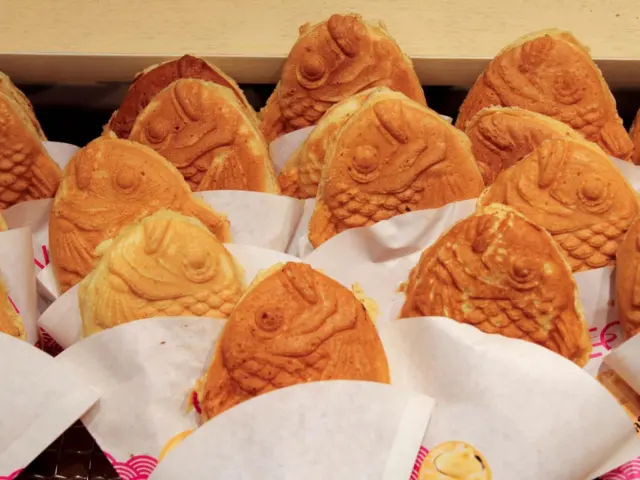
Taiyaki means “baked sea bream” and refers to a fish-shaped cake sold as street food. According to Wikipedia’s taiyaki entry, it was first sold in Japan in 1909, and the most common filling is anko. The same entry says the founder of Naniwaya Sōhonten was struggling to sell imagawayaki, so he baked the cakes into fish shapes.
Modern shops fill the fish with custard, chocolate, sweet potato or even cheese. Our taiyaki recipe covers the batter and the mould, and the basics apply to any filling.
People argue about whether to eat taiyaki from the head or from the tail. Either way, the best bite is the crisp edge, so eat it while it is still warm.
Why these snacks work for beginners
Griddle sweets give quick feedback. You see the batter set, you flip it, and in a few minutes you know whether the heat was right. That makes them a gentler classroom than a cake, which hides its mistakes until it is cut.
They also invite play. Once you can make a good pancake or a clean fish shape, you can try new fillings such as cream, fruit jam or a savoury twist, and you will already understand the method.
Western-style classics with a Japanese twist
Japanese bakers did not simply copy foreign cakes. They adjusted sweetness, moisture and texture until the result felt distinctly local. Castella and soufflé cheesecake are two of the clearest examples.
Castella
Castella is a moist, dense sponge cake from Nagasaki. The Wikipedia entry says it is based on cakes introduced to Japan by Portuguese merchants in the sixteenth century, and that it was then popularized in the city of Nagasaki. The name comes from the Portuguese Bolo de Castela, meaning “cake from Castile”.
The same entry notes that, to suit Japanese tastes, mizuame syrup was added to keep the sponge moist and coarse sugar was added to the bottom for texture. Despite its foreign origins, it is considered a kind of wagashi. Our castella cake recipe explains the gentle mixing and long, low bake that give it its fine crumb.
A slice of castella goes well with a cup of green tea. It also keeps for a few days when wrapped well, which makes it a good gift cake.
Japanese cheesecake
Japanese cheesecake, also called soufflé or jiggly cheesecake, is light and wobbly. Wikipedia’s entry says the recipe was created by Japanese chef Tomotaro Kuzuno, who was inspired by a käsekuchen cheesecake during a trip to Berlin in the 1960s. Other cooks credit different people, so treat the exact origin as debated; the Wikipedia page gives the version used here.
The same page says the cake is made with cream cheese, butter, sugar and eggs. It also says the fluffy texture comes from whipping egg white and egg yolk separately, and that the cake is traditionally made in a bain-marie. Follow our japanese cheesecake recipe for the folding method and water-bath tips.
Flavours, textures and the seasons
To enjoy Japanese sweets, it helps to know what you are tasting for. The flavour palette is narrower than in Western pastry, but each note is used with care. That focus is why a simple sweet can feel complete.
The core flavours
- Adzuki bean: earthy, mellow and the backbone of countless fillings.
- Matcha: grassy and slightly bitter, used in cakes, ice cream and mochi.
- Kinako: roasted soybean flour with a toasty, nutty taste, often dusted over mochi.
- Kuromitsu: a dark, molasses-like sugar syrup poured over jellies and dumplings.
- Black sesame: deep and roasted, found in pastes, puddings and fillings.
Salt is a quiet partner in many of these. A pinch in the bean paste or on a sweet dumpling sharpens the sweetness and keeps it from tasting flat.
Texture is the point
Japanese has a rich vocabulary for mouthfeel, and sweets are judged by it. Mochimochi means springy and chewy, fuwafuwa means soft and fluffy, and shittori means moist and tender. When you bake castella or cheesecake, those words describe the result you are aiming for.
That is also why technique matters more than fancy ingredients. Whipping eggs to the right stage, resting a batter or steaming gently often changes the outcome more than swapping brands.
Seasonal sweets
Wagashi follow the calendar. Spring brings cherry-blossom flavours and sweets wrapped in pickled leaves, while summer favours cool, clear jellies. Autumn is the time for chestnut and sweet potato, and winter calls for warm bean soups and plain, comforting rice cakes.
Fun! Japan points out that festivals such as Hina Matsuri and Tango helped popular sweets spread beyond the court and samurai households. Many shops still make festival sweets today, so a short visit to a wagashi counter is a quick way to feel what time of year it is.
Buying versus making
If you live near a Japanese grocery, you can sample most of these sweets before you cook them. Tasting the real thing first gives you a target for texture and sweetness. Check the label for freshness, because many wagashi are meant to be eaten within a day or so.
When you cook at home, small batches work best. Fresh mochi, warm dorayaki and just-baked castella taste better than anything that has sat in a fridge for days.
Common beginner mistakes
- Cooking anko too dry, which makes fillings crumbly instead of smooth.
- Skipping the sifting step for flour, which leaves lumps in pancake batter.
- Opening the oven door too early on a sponge cake, which can make it collapse.
- Overheating the pan for griddle snacks, so the outside scorches before the middle cooks.
- Serving mochi cold from the fridge, which turns it hard and dull.
Most of these are fixed by patience and a lower heat. Keep notes on what you changed each time, and the next batch usually improves.
Building a small tasting plate
A tasting plate is a lovely way to share what you have made. Cut a slice of castella, add a piece of daifuku, a half dorayaki and a skewer of dango, then pour a pot of tea. Guests get a range of textures, from springy to fluffy to chewy, in a few bites.
Keep portions small so that each sweet gets its moment. Japanese sweets are meant to be savoured, not stacked high.
Storing and serving
Keep bean paste in a sealed container in the fridge, and bring it back to room temperature before filling. Wrap castella tightly so it stays moist, and let cheesecake rest and cool before slicing. Serve sweets on small plates, with a small cup of tea, and eat them slowly.
Starting at home: tools, tea and next steps
You do not need specialist gear to begin. A small saucepan, a nonstick pan, a whisk and a steamer cover most of the recipes above. For cakes, a reliable oven thermometer and a kitchen scale help far more than expensive moulds do.
Our baking basics hub explains measuring, folding and oven habits that apply to castella and cheesecake alike. Read it first if sponge cakes have flopped for you before.
A sensible order to try them
- Cook a batch of anko, since it feeds several other recipes.
- Make dorayaki, because pancakes are forgiving.
- Move on to mochi or dango for a feel for rice-flour dough.
- Try taiyaki if you own a mould, or bake it in a pan with a similar cavity.
- Finish with castella and soufflé cheesecake, which reward patience.
Pairing sweets with tea
Wagashi are traditionally eaten with tea, and the match is deliberate. Sweet bean paste calls for the clean bitterness of green tea, while richer cakes work with a roasted tea. Our japanese tea and sweets guide lays out pairings you can try.
Fun! Japan says that when tea was introduced, light refreshments served during tea ceremonies spread nationwide. In practice that means the sweet is not an afterthought; it is half of the experience.
Frequently asked questions
What is the difference between wagashi and Japanese desserts in general?
Show answer
Wagashi are the traditional sweets, such as mochi, dango and yokan. “Japanese desserts” is a wider phrase that also includes Western-style cakes shaped by Japanese bakers, such as castella and soufflé cheesecake.
Are Japanese desserts very sweet?
Show answer
Usually less than many Western desserts. Bean paste is gently sweet, and cakes such as Japanese cheesecake rely on texture more than sugar.
Is castella really Japanese?
Show answer
Its roots are Portuguese, but Wikipedia’s castella entry says that despite its foreign origins it is considered a kind of wagashi. The Nagasaki version was adapted with mizuame syrup and coarse sugar.
Which Japanese dessert is easiest for a beginner?
Show answer
Dorayaki and dango are good first projects. They need basic pans and pots, and neither needs an oven.
What is the most common taiyaki filling?
Show answer
Anko, according to Wikipedia’s taiyaki entry. Custard and chocolate are popular modern alternatives.