Craving soft honey pancakes around sweet bean paste? This dorayaki recipe is simple: whisk a rested batter, cook small rounds on gentle heat, then sandwich them with anko.
Dorayaki is one of the best-loved japanese desserts to make at home, because it needs only pantry staples.
| Item | Value |
|---|---|
| Batter rest in the fridge | 15 minutes to 1 hour |
| First side cooking time | About 2 minutes |
| Second side cooking time | 1 more minute |
| Batter per pancake | 1/8 of a cup |
| Room-temperature storage | 2 days in a cool place, wrapped individually |
| Freezer storage | Up to a month |
These figures come from Just One Cookbook and Japanese Cooking 101. Recipes and timings can change, so check the sources before you rely on them.
What is dorayaki?
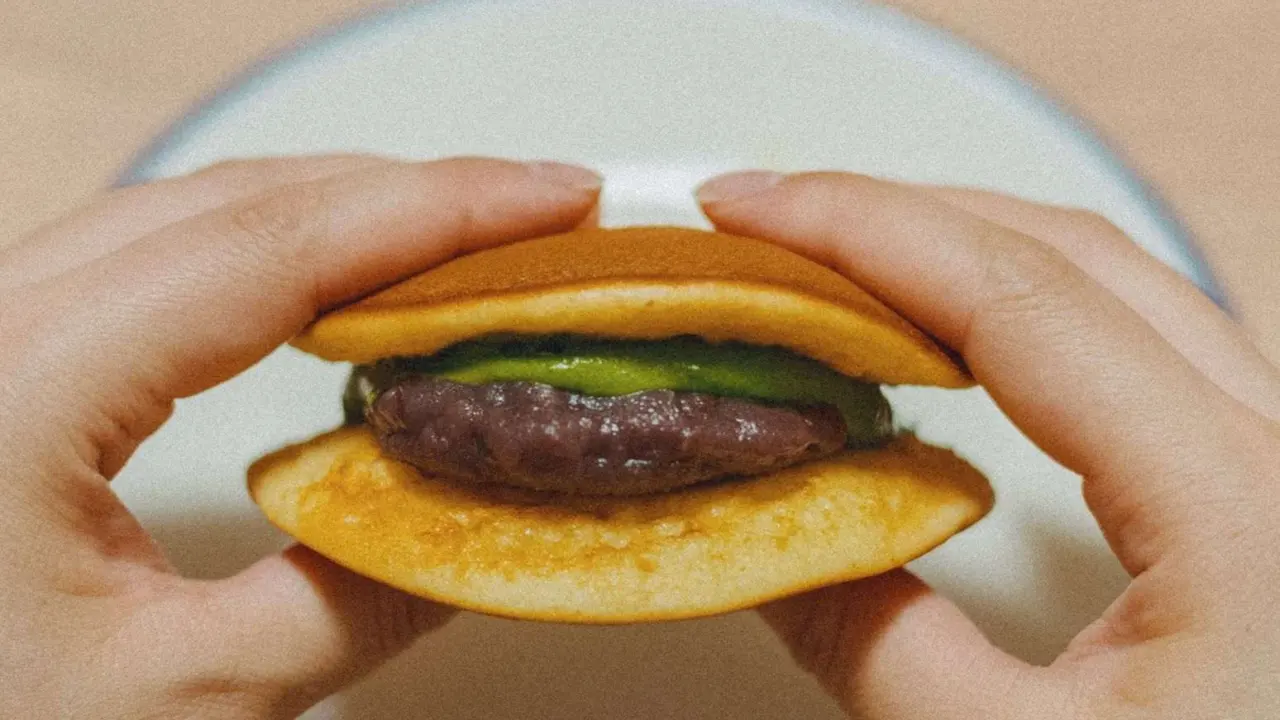
Dorayaki is a traditional Japanese sweet made by sandwiching sweet red bean paste between two golden honey pancakes. The pancakes are slightly springy and moist, closer to a soft castella-style cake than a breakfast stack.
The character Doraemon made it famous, since he loves dorayaki.
The filling is anko, a sweet paste made from azuki beans. It is earthy and not overly sugary, which is why it balances the honeyed pancake so well.
Ingredients you need
You do not need special equipment. A non-stick frying pan, a whisk and a bowl are enough.
Check the linked recipes for their full ingredient lists and quantities.
Measure everything before you start, since the batter comes together quickly. Eggs at room temperature whisk up more easily, which helps the pancakes stay light.
Noriko and Yuko develop recipes for Japanese Cooking 101, and its recipe is a good second reference if you want to compare methods. Reading two recipes side by side shows you which steps are essential and which are personal preference.
Honey is the quiet hero. It gives the pancakes a gentle sweetness and helps them brown evenly and stay moist.
How to make dorayaki step by step
Start with the batter, because it needs to rest. Following the steps in order keeps the pancakes tender.
- Whisk the eggs and sugar. Beat the eggs with the sugar, then stir in the honey until everything is smooth.
- Add the flour mixture. Stir the dry ingredients into the egg mixture, then add the liquid, and whisk until the batter becomes smooth. Avoid overmixing once no dry flour remains.
- Rest the batter. Let it rest in the fridge for 15 minutes to 1 hour, which gives a more even crumb.
- Heat the pan. Warm a non-stick frying pan with a small amount of oil and wipe the excess oil off well. This is what gives the pancakes their even, golden surface.
- Pour small rounds. At medium low heat, drop 1/8 of a cup of batter onto the pan, like a pancake.
- Cook and flip. Cook about 2 minutes until the surface of the pancake has a lot of bubbles and the edges become dry. Flip over and cook 1 more minute.
- Cool and fill. Let the pancakes cool slightly, then spread anko on one and top it with another.
Just One Cookbook notes that the whole recipe comes together in under 30 minutes. Most of that time is spent standing at the stove, so keep the batter and anko close at hand.
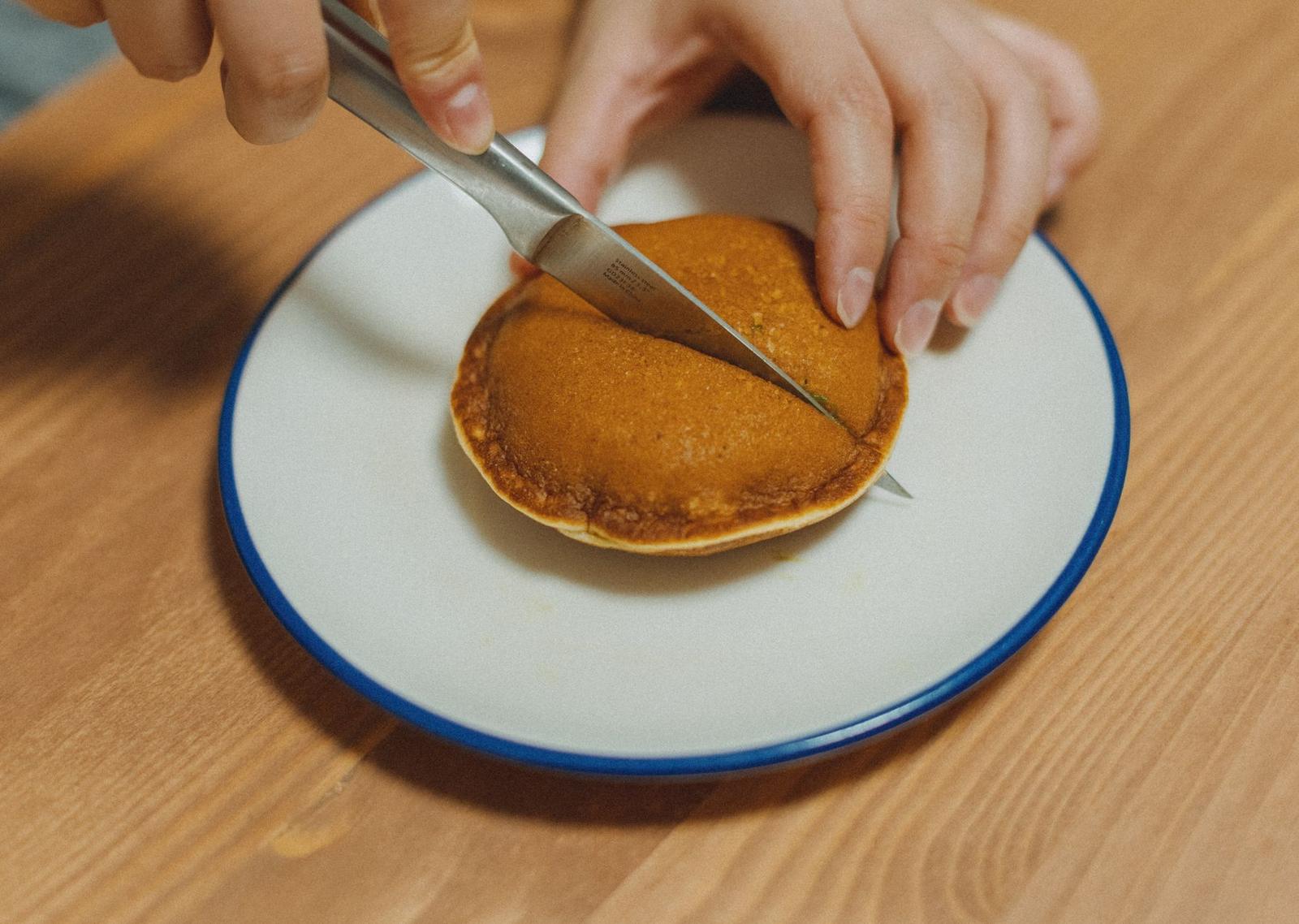
Choosing and filling with anko
The pancakes are not the whole story. A good dorayaki depends on the contrast between the fluffy cake and the dense, smooth or textured paste in the middle.
Anko comes in two main styles. Koshi-an is smooth, while tsubu-an keeps the whole beans for a chunkier bite.
Store-bought anko is perfectly fine and saves time. If you want to make your own, you boil the azuki beans until tender and cook them with sugar until a paste forms.
When filling, spread a heaping spoonful on one pancake and keep the centre thicker than the edges. That shape makes the sandwich dome slightly and stops the paste squeezing out.
Japanese Cooking 101 suggests wrapping each dorayaki in plastic wrap straight after assembling. Wrapping makes it easier to handle and shape the cake, and it also keeps the moisture and freshness.
Tips, variations and storage
A few small habits make the difference between flat and fluffy pancakes. Keep the heat low, wipe the pan well, and flip only when bubbles appear on the surface.
Once you are comfortable with the basics, try these changes:
- Add whipped cream beside the anko for a lighter, creamier filling.
- Stir matcha into the batter for a green, slightly bitter pancake.
- Try a chestnut filling in autumn.
- Use white bean paste or mung bean paste in place of azuki.
To store, wrap each one individually in plastic wrap and keep it in a cool place for 2 days. You can also freeze them in a freezer bag for up to a month.
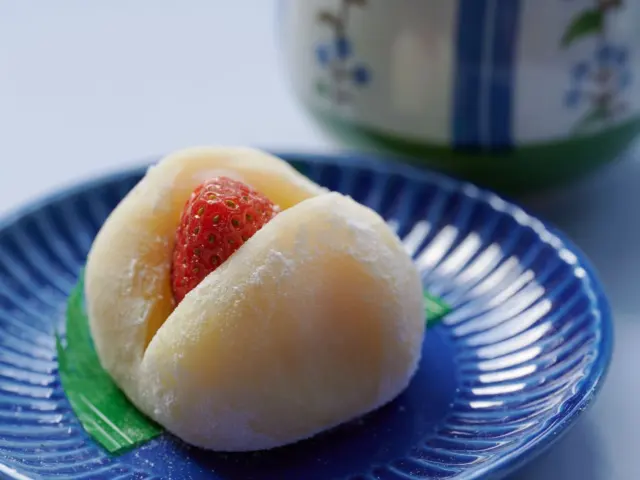
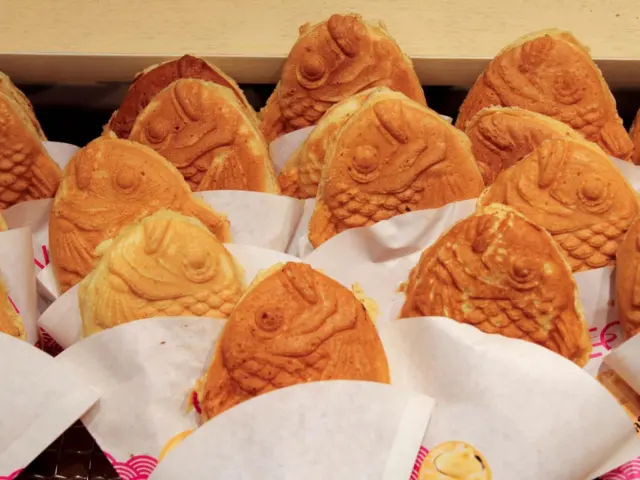
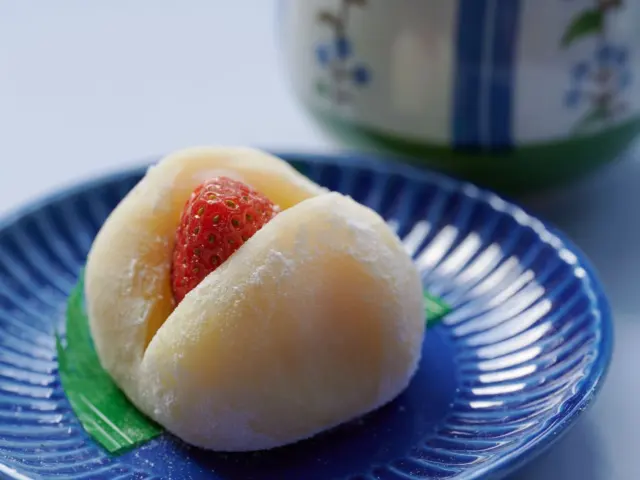
If you enjoy shaping and filling sweets, you might also try the mochi recipe for a chewier texture. For another bean-filled griddle treat, the taiyaki recipe is a natural next step.
Fixing common dorayaki problems
Most trouble comes from heat that is too high or a pan that is too oily. The fixes are small, and you can usually correct them on the next pancake.
- Pancakes brown too fast: lower the heat. Medium low gives the batter time to rise before the surface sets.
- Surface looks blotchy: too much oil is left in the pan. Wipe it well with a paper towel before each batch.
- Pancakes feel dense: the batter may have been overmixed, or the pan may have been too cool. Whisk only until smooth and let the pan warm properly.
- Pancakes are uneven in size: use the same measure of batter each time, and pour from close to the pan so the round stays neat.
- Edges dry out while cooling: stack the cooked pancakes under a clean cloth until you are ready to fill them.
If the first pancake is not perfect, treat it as a test. The pan is rarely at the right temperature until the second round.
Serve dorayaki with hot green tea or a plain black tea. The bitterness of the tea cuts through the sweet bean paste and makes a small snack feel complete.
Frequently asked questions
Do I have to rest the batter?
Show answer
Just One Cookbook recommends resting it in the fridge for 15 minutes to 1 hour. It is a short wait that helps the pancakes cook evenly.
How do I know when to flip?
Show answer
Look for bubbles on the surface and dry edges. Japanese Cooking 101 gives about 2 minutes for the first side.
Can I freeze dorayaki?
Show answer
Yes. Freeze them in a freezer bag for up to a month, then let them come to room temperature before eating.
Smooth or chunky anko?
Show answer
Both work. Koshi-an is smooth and tsubu-an keeps whole beans, so choose by the texture you prefer.