Want crisp-edged, warm fish-shaped cakes without a trip to Tokyo? This taiyaki recipe uses a simple pancake-style batter, a hot fish-shaped pan and red bean paste, and it makes eight pieces.
| Item | Value |
|---|---|
| Cake flour | 1¼ cups |
| Sugar | 3 Tbsp |
| Whole milk | ¾ cup |
| Yield | 8 pieces |
| Batter rest | 1 hour |
These figures come from Just One Cookbook’s taiyaki recipe. Recipes get revised, so check the source before you rely on the amounts.
Taiyaki is one of the best-loved japanese desserts sold at street stalls. Making it at home needs one special pan, but the rest is pantry cooking.
What taiyaki is and where it comes from
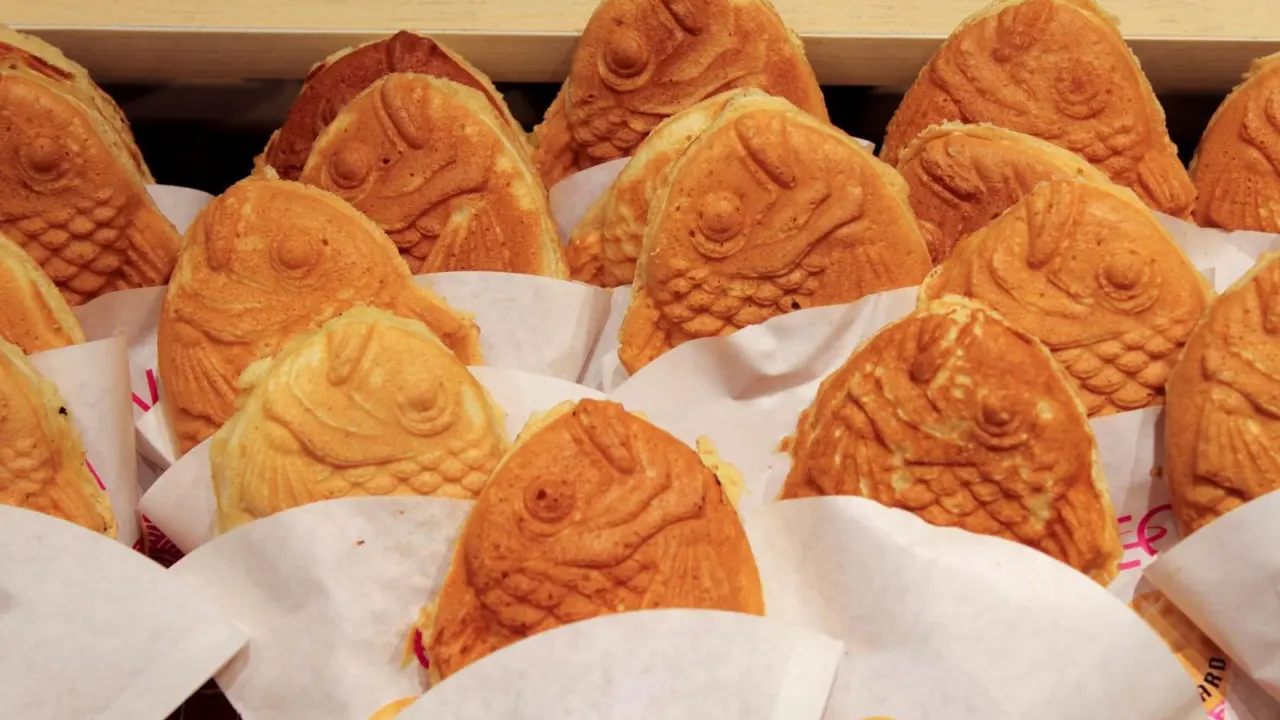
Taiyaki is a fish-shaped cake with a thin, crisp shell and a soft, warm inside. The fish is a tai, the Japanese sea bream, which is tied to happy occasions. Nippon.com notes that sea bream are associated with auspicious occasions.
The best-known shop is Naniwaya in Tokyo’s Azabu-Jūban neighbourhood. In its article, Nippon.com describes it as the country’s oldest taiyaki shop and says the business was established in 1909. The same article adds that there are various theories about taiyaki’s origins and little solid documentation, so treat any single origin story with care.
Whatever its exact beginnings, the idea is simple. Batter goes into a hinged mould, a filling goes in the middle, and the mould closes over the heat.
Ingredients and equipment
The batter is made of ordinary ingredients. Just One Cookbook lists cake flour, baking powder, baking soda, egg, whole milk, sugar, a filling and neutral oil.
- Cake flour: the low-protein flour keeps the shell light and crisp. Use 1¼ cups.
- Raising agents: 1 tsp baking powder and 1 tsp baking soda.
- Sugar: 3 Tbsp, whisked in with the dry ingredients.
- Wet ingredients: egg (follow your chosen recipe for quantity and size) and ¾ cup whole milk.
- Neutral oil: a light brush on the pan before each batch.
- Filling: sweet red bean paste is the classic choice.
The one piece of equipment you can’t skip is a taiyaki pan. It is a hinged, fish-shaped mould that sits directly over the burner. Traditional shops use individual moulds mounted on tongs, and a home pan holds a few fish at a time.
Step-by-step taiyaki recipe
The recipe lists 15 minutes of prep, 45 minutes of cooking and a 1 hour rest. The rest lets the batter settle, so don’t skip it.
- Sift the cake flour, baking powder and baking soda into a large bowl. Add the sugar and whisk to combine.
- In a medium bowl, whisk the egg and milk. Pour the wet mixture into the dry and mix until just combined.
- Rest the batter for 1 hour, or as long as your chosen recipe advises.
- Heat the taiyaki pan over medium-low heat and brush both sides with a little oil.
- Pour batter into each fish cavity until it is about half full. Add a spoonful of filling in the centre.
- Cover the filling with more batter, close the pan and cook. Flip the pan partway through so both sides brown evenly.
- Open the pan to check the colour. When both sides are golden and crisp, lift the fish out and cool briefly on a rack.
Keep the heat gentle. High heat browns the outside before the batter has cooked through, which leaves a doughy centre.
Fillings to try
Red bean paste, called anko, is the traditional filling. Just One Cookbook calls it the most classic and popular choice, and says custard is also quite popular. Nutella and chocolate are listed as common modern options.
Anko comes in two styles: smooth koshian and chunky tsubuan. Store-bought paste saves time, and you can make your own from azuki beans and sugar if you prefer to control the sweetness.
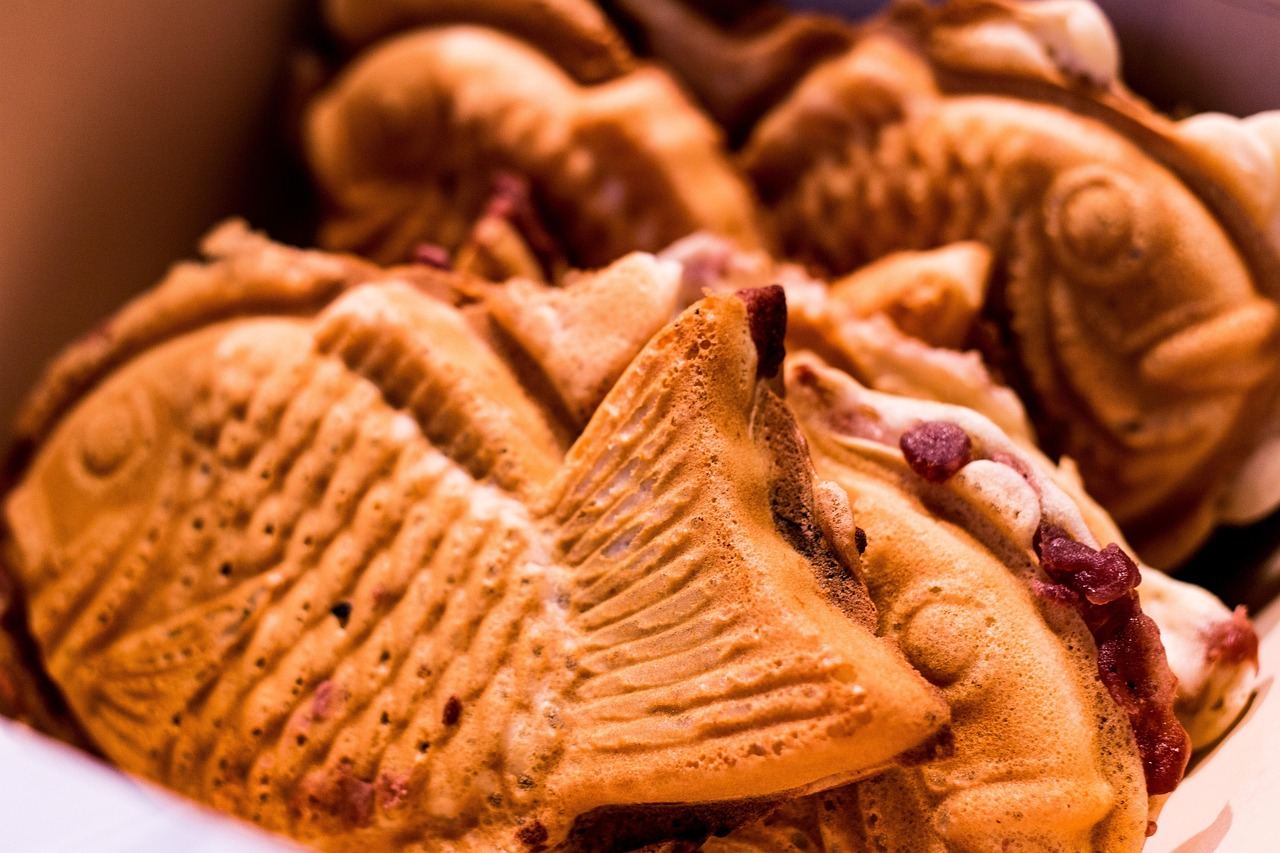
Whatever you choose, use a thick filling. A runny one leaks out of the seam and sticks to the pan.
- Red bean paste: the classic, with a sweet, earthy flavour.
- Custard: creamy, and good if you find bean paste too heavy.
- Chocolate or hazelnut spread: an easy option for children.
Choosing and preparing your filling
A good filling is thick enough to hold its shape when you spoon it onto the batter. If your store-bought bean paste feels loose, warm it gently in a small pan and let it cool until it firms up.
Shape the filling into small balls before you start cooking. That way you can drop one into each fish quickly, and the batter on the bottom doesn’t set before you add the top layer.
- Keep the portion modest. A fish that is overfilled will split at the seam.
- Centre it. Filling that touches the edge of the mould burns and sticks.
- Cool custard first.
Tips for a crisp shell
Most failures come from the batter or the heat, not the filling. These checks help:
- Measure flour by weight if you can, because scooped flour packs differently from cup to cup.
- Don’t overmix. Stir only until the streaks of flour disappear, or the shell turns tough.
- Measure the baking soda carefully. One reader of the Just One Cookbook recipe found the baking soda flavour overpowering and the cakes tough.
- Oil the pan lightly each time, and trim any overflow after cooking for a neat fish shape.
Taiyaki is best eaten right away while the outside is crisp. If you want a softer, pancake-based sweet afterwards, try the dorayaki recipe. For something lighter and more delicate, the japanese cheesecake recipe is a good next bake.
Nippon.com also describes a lively debate over whether to start eating from the head or the tail, so choose your side before serving guests.
Serving and keeping leftovers
Serve taiyaki on a plate or in a paper sleeve while it is still hot. A cup of green tea balances the sweetness of the bean paste well.
Leftovers lose their crunch as the shell absorbs moisture from the filling. To bring them back, warm the cakes briefly in a dry pan or a toaster oven, and avoid the microwave, which makes the shell soft and chewy.
You can also keep leftover batter covered in the refrigerator for a short time and give it a gentle stir before the next batch. Cook a test fish first, since the batter may thicken as it sits, and loosen it with a spoonful of milk if needed.
- Same day: eat fresh for the best contrast of crisp and soft.
- Next day: re-crisp in a dry pan over gentle heat.
- Gifts: wrap individually so the shells don’t steam each other.
Frequently asked questions
Can I make taiyaki without a taiyaki pan?
Show answer
Not with the traditional shape. The fish mould is what gives taiyaki its form and its crisp shell, so you need a taiyaki pan for this recipe.
Which flour works best for taiyaki?
Show answer
Just One Cookbook uses cake flour, which is low in gluten and keeps the shell light. You can buy it or make a homemade version.
What is the classic taiyaki filling?
Show answer
Sweet red bean paste, known as anko. Custard, chocolate and Nutella are popular alternatives.
Why did my taiyaki turn out tough?
Show answer
A reader reported tough cakes and an overpowering baking soda flavour, but that report does not establish the cause. Mix until just combined and level your measurements.