Wondering what is genmaicha? It is Japanese green tea blended with roasted brown rice, which gives a nutty, gentle cup. You can brew it easily with hot, not boiling, water.
This guide is part of our look at japanese tea and sweets.
| Item | Value |
|---|---|
| Name meaning | “Brown Rice Tea” |
| Green tea base | Sencha or Bancha |
| Leaves for two cups | 1 1/2 tablespoons (7-8g) |
| Water temperature | 80C |
| Caffeine | Reduced compared with other Japanese green teas |
Figures come from a Japanese tea shop’s brewing page and a tea retailer’s genmaicha guide. They are retailer guidance and can change, so check the source before you rely on them.
What is genmaicha, exactly?
Genmaicha is a blend of green tea leaves and roasted brown rice kernels. The name means “Brown Rice Tea”, and the rice is what separates it from sencha or other green teas that taste purely of leaf.
The roasted grains add a toasty, almost nutty flavour and a warm aroma. Many people find it softer and less grassy than a plain green tea, which makes it a friendly place to start if you find green tea sharp.
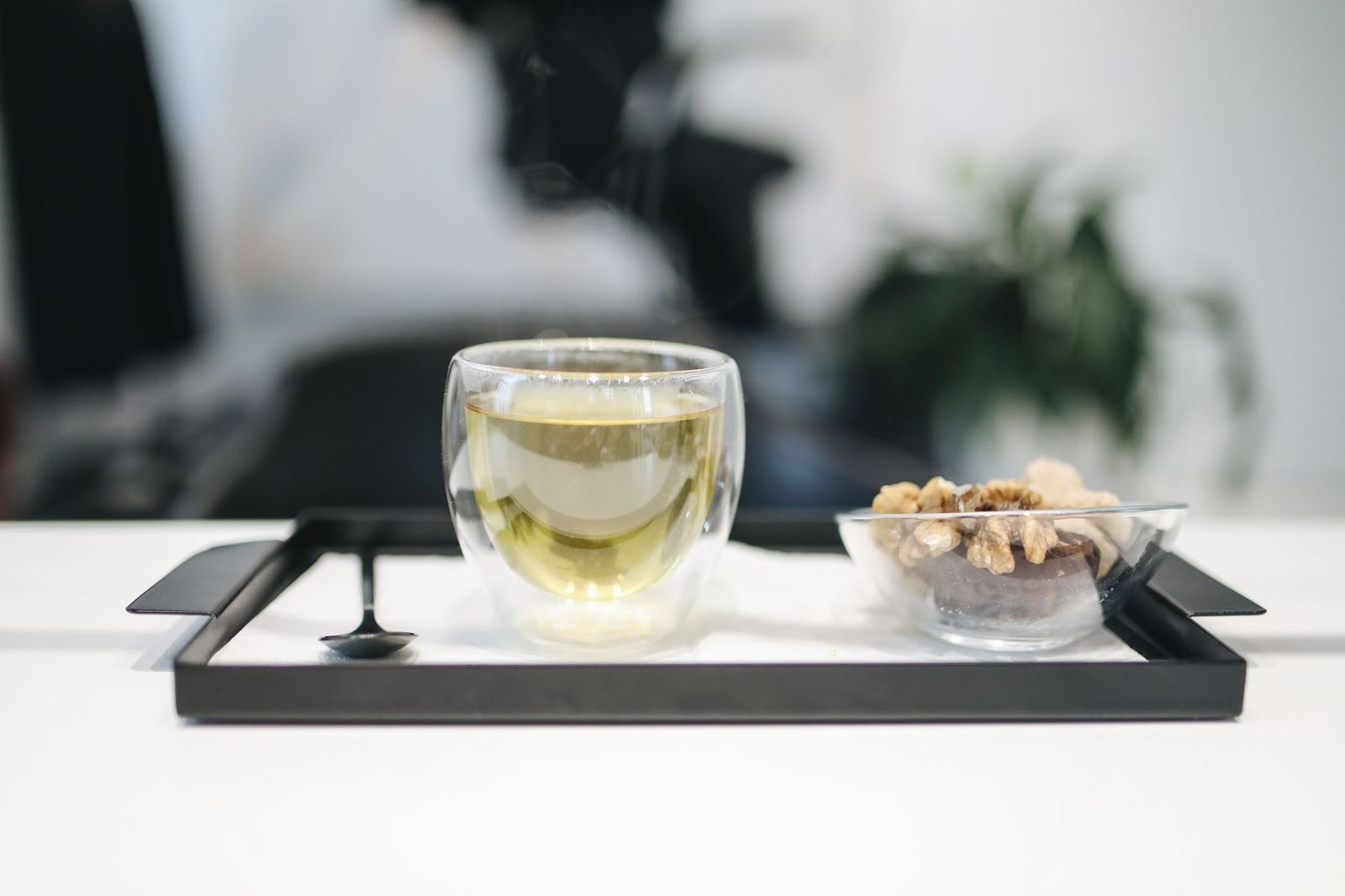
In the cup it looks pale gold to yellow-green. Among the leaves you will see plump, golden or browned grains of rice, and sometimes a few that have burst open like tiny popcorn.
Because the rice is roasted, it gives the tea the kind of smell you might notice from a pan of toasted grain in the kitchen. That familiar, homely scent is a large part of why people reach for genmaicha when they want something calming rather than bracing.
It is also an easy tea to share. It needs no ceremony, so it suits a busy kitchen table as well as a quiet evening alone.
What does it taste like?
Expect a comforting, savoury-sweet cup. The green tea gives a light vegetal freshness, while the rice brings roasted, cereal-like notes that sit somewhere between toast and warm grain.
Because the rice dominates the aroma, genmaicha feels rounder and lighter than many other Japanese teas. It rarely turns bitter if you treat it gently, and it pairs naturally with food.
- Aroma: toasted grain, warm and gently sweet.
- Flavour: mellow green tea with a nutty finish.
- Mouthfeel: light and smooth, with little astringency.
Which green tea is used as the base?
According to one tea retailer’s guide, the roasted brown rice is mixed with other Japanese teas such as sencha or bancha. Each base changes the character a little.
Bancha-based blends are usually simpler and more everyday. Sencha-based blends tend to taste a touch brighter, because more of the green tea character shows through the rice.
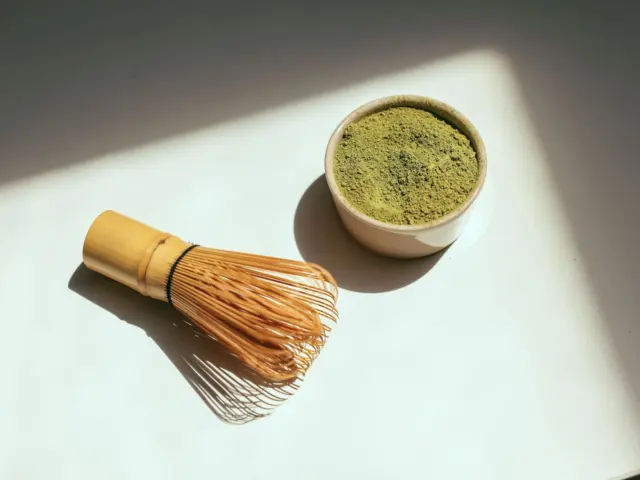
Some shops also sell a version with a little powdered matcha added, often labelled matcha-iri. The matcha deepens the colour to a vivid green and adds a creamier, more vegetal edge.
How do you brew genmaicha?
Brewing is simple, and the main rule is to avoid furious boiling water. A Japanese tea shop’s page gives the starting recipe for two cups as 1 1/2 tablespoons (7-8g) of leaves and water at 80C, as shown on its genmaicha brewing page.
- Warm your teapot and cups with a splash of hot water, then discard it.
- Add the leaves to the pot: about 1 1/2 tablespoons (7-8g) for two cups.
- Let freshly boiled water cool until it reaches about 80C, then pour it over the leaves.
- Steep briefly, then pour out every drop so the leaves do not stew.
- Taste, and adjust the next pot: more leaf for strength, cooler water if it tastes bitter.
How does it differ from other green teas?
A plain sencha is bright, grassy and sometimes brisk. Genmaicha swaps some of that sharpness for warmth and roundness, because the roasted rice softens the edges of the leaf.
Gyokuro and matcha sit at the opposite end of the spectrum. They are rich, sweet and deeply savoury, and they ask for careful handling and a quiet moment. Genmaicha is relaxed by comparison: you can make it in a big pot, share it at the table and not worry much about precision.
- Sencha: fresh, green and lively, best when you want clarity.
- Genmaicha: toasty and mellow, best with meals and snacks.
- Matcha: thick, creamy and intense, best as a small, focused treat.
Hojicha is another roasted tea that people often confuse with genmaicha. The difference is that hojicha roasts the tea leaf itself, while genmaicha keeps green leaf and adds roasted rice to it.
Tips for a better cup
The tea shop’s brewing guidance suggests water at 80C.
- Cool the boiled water by pouring it into a spare cup or pitcher before it goes on the leaves.
- Use a fine strainer or a teapot with a built-in mesh so loose grains stay out of your cup.
- Store the tea in an airtight container away from light, heat and damp, because roasted grain goes stale.
- For iced tea, brew a stronger pot and pour it over ice, or leave leaves to steep slowly in cold water in the refrigerator.
If you like to cook with tea, the same roasted flavour works well in desserts. Try pairing a cup with a matcha ice cream recipe for a cool and warm contrast.
Caffeine and pairing with sweets
The retailer guide says genmaicha contains a reduced amount of caffeine, perhaps the least of any Japanese green tea, so it suits an evening cup. Part of the reason is simple: rice makes up some of what is in the pot, so there is less tea leaf per scoop.
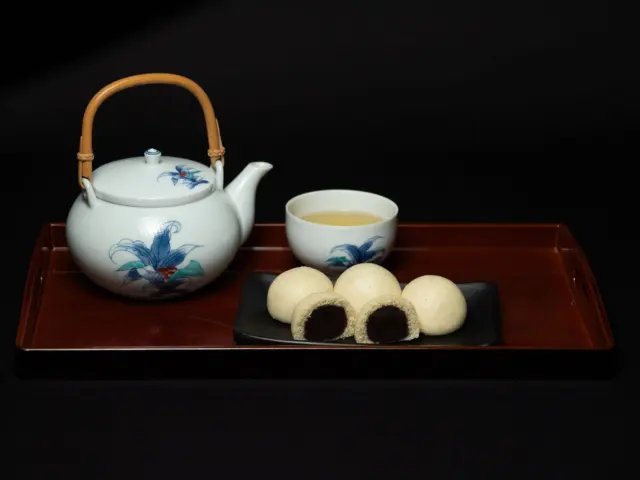
That lightness makes it a good partner for Japanese sweets. Its toasty note suits mochi, sweet bean pastes and simple baked treats, and our guide to japanese tea pairing with sweets goes further into matching teas and desserts.
For a relaxed afternoon, set out a small plate of something not too rich and serve the tea in a larger cup than you would use for gyokuro. Because genmaicha is forgiving, it works for guests who are new to Japanese tea, and refills feel natural rather than fussy.
Richer, creamier desserts also work, since the roasted note cuts through fat and cream. A cup alongside a custard, a cake or a scoop of ice cream refreshes the palate between bites.
Keep the sweet small and the tea unsweetened. The roasted rice already supplies a gentle sweetness, so extra sugar in the cup tends to mask it.
Frequently asked questions
Is genmaicha the same as green tea?
Show answer
It is a type of green tea blend. The leaves are green tea, but roasted brown rice is mixed in, which changes the flavour and aroma.
Does genmaicha have caffeine?
Show answer
Yes, because it contains tea leaves. One retailer’s guide says it has a reduced amount compared with other Japanese green teas, but it is not caffeine free.
What water temperature should I use?
Show answer
A Japanese tea shop suggests 80C for a two-cup pot with 7-8g of leaves. Lower the heat a little if the cup tastes bitter.
What does genmaicha mean?
Show answer
The name means “Brown Rice Tea”, describing the roasted rice mixed in with the green tea.