Staring at a box of sweets and a cupboard of teas? Japanese tea pairing with sweets is simple: match bitter, grassy tea with soft, sweet bean paste, and keep roasted teas for nutty or chocolatey treats.
| Pairing | What the source says |
|---|---|
| Matcha with wagashi | The classic match |
| Wagashi base ingredients | Azuki bean paste, rice flour and sugar |
| Sencha with yōkan | Mild bitterness enhances the sweet bean jelly |
| Matcha with nerikiri | Umami balanced by delicate sweetness |
| Gyokuro with sakura mochi | Slight saltiness enhances the tea’s smooth taste |
These pairings come from ITO EN’s pairing guide and a Nakamura Tokichi tea blog. Both are tea sellers and advice can change, so check the sources before you rely on them.
Japanese tea pairing with sweets: the basic idea
Most pairing advice rests on one principle: the tea and the sweet should fix each other’s weak spots. A sweet softens bitterness, and a clean, slightly astringent tea resets your mouth after sugar.
ITO EN explains that Japanese green tea has three main flavor components. In its words, “catechins, which contribute astringency; caffeine, which adds bitterness; and amino acids, especially L-theanine and glutamic acid, which contribute umami and gentle sweetness.”
Once you know which of those a tea leans on, choosing a sweet gets easier. Here is a quick way to think about it:
- Bitter or astringent tea wants a soft, sweet partner such as bean paste.
- Umami-rich tea wants delicate sweetness that will not drown it.
- Roasted, nutty tea wants sweets with a toasty, caramel or chocolate character.
Treat all of this as a starting point. Your own palate, and how strongly you brew, will change the result.
Matcha and wagashi: the classic pair
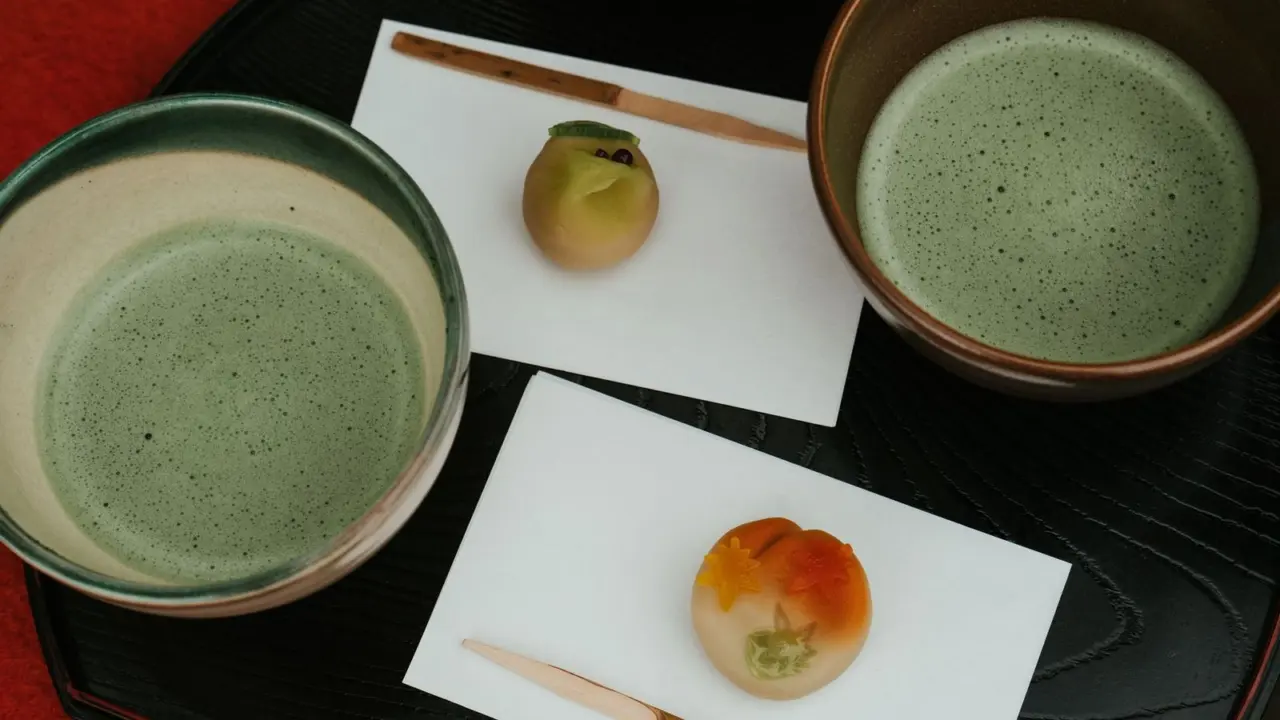
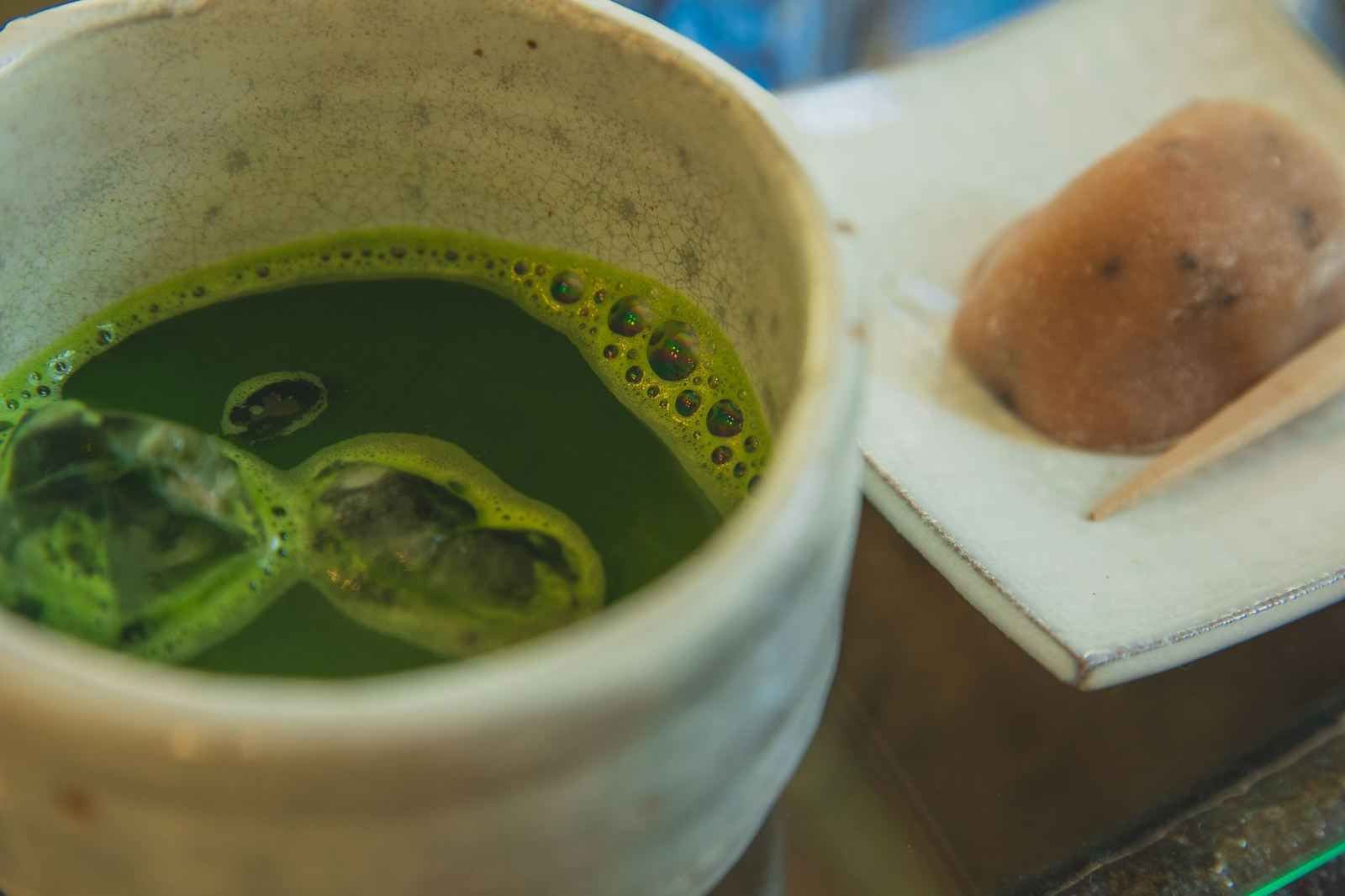
If you only learn one pairing, learn this one. ITO EN says “The classic match is matcha with wagashi – the traditional Japanese sweets served at tea ceremonies.”
The reason is practical. ITO EN notes wagashi is “typically made from azuki bean paste, rice flour, and sugar,” and that this “brings a gentle sweetness that cuts through matcha’s bitterness.”
Nakamura Tokichi’s blog describes a specific example: matcha with nerikiri, the artisanal wagashi shaped into seasonal motifs. It says the deep umami of matcha is balanced by the sweet’s delicate sweetness and soft texture.
Sencha, gyokuro and the lighter sweets
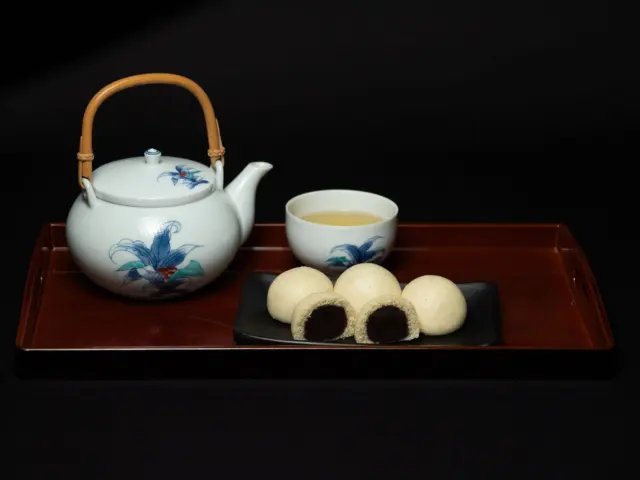
Sencha is a gentler, everyday tea, and it suits sweets that are smooth rather than heavy. The Nakamura Tokichi blog says sencha’s mild bitterness enhances the smooth sweetness of yōkan, the sweet bean jelly.
That makes yōkan a good first try if you are new to this. It keeps well, slices easily and needs no fuss.
Gyokuro, a premium shade-grown green tea, rewards a subtler partner. The same blog says the slight saltiness of sakura mochi enhances gyokuro’s smooth taste. The salted cherry leaf around the mochi is what provides that edge.
A few simple rules help here:
- Choose the sweet first, then the tea.
- Keep very delicate teas away from very rich sweets.
- Take a sip of tea between bites, not a gulp.
Roasted teas: genmaicha and hojicha
Roasted teas play a different game. They are less about cutting bitterness and more about sharing a warm, toasty flavor with the sweet.
ITO EN says genmaicha’s roasted rice gives “a distinctive nutty, cereal-like warmth that complements the tea’s grassy base rather than competing with it.” If you want to know more about this blend, read about what is genmaicha.
Hojicha is also a roasted tea, so the same logic applies. In our suggestion, try these with sweets that have their own toasty or caramel notes, such as sesame, roasted soybean flour (kinako) or brown sugar syrup. These are tasting suggestions rather than rules.
The nuttiness also tends to suit sweets that are a little richer, since the tea does not fight them.
Modern sweets: chocolate, dairy and baking
Many people at home do not have a wagashi shop nearby, and that is no obstacle. The same balancing logic works with sweets from any bakery or supermarket.
Pairing is not limited to wagashi. ITO EN lists “Chocolate and dairy” as good partners for matcha, saying rich, creamy textures complement matcha’s thick, concentrated body while softening its astringency.
For baking, a crisp cookie is a friendly match with a hot cup. If you want to bake your own, try this matcha cookies recipe, and serve it with a tea that is milder than the cookie.
Habits, home tasting and mistakes to avoid
Even a good match can fall flat if the tea is brewed badly. A tea that is too strong will taste harsh next to a delicate sweet, and a tea that is too weak will vanish behind a rich one.
Aim for balance between the two. If the sweet is intense, brew the tea a little stronger so it can hold its own. If the sweet is light, keep the tea gentle.
These habits cost nothing and help every time:
- Serve the sweet on a small plate and take small bites, so the flavor does not overwhelm the cup.
- Pour a fresh cup for each new pairing, rather than reusing cold tea.
- Keep the sweet and the tea within reach, so you can alternate easily.
Pay attention to texture as well as taste. Soft, smooth sweets like yōkan and nerikiri suit a tea with a smooth finish, while crunchy baked goods pair well with a warm, comforting cup.
You do not need a full tea ceremony. A small tasting at the kitchen table is enough, and it is the best way to learn what you like. For more on the wider topic, see our guide to japanese tea and sweets.
Try this simple plan:
- Buy one bean-paste sweet, such as yōkan, and one non-bean sweet, such as a cookie.
- Brew two teas, for example sencha and a roasted tea.
- Taste each sweet with each tea, and write down which pair you liked.
Use small cups and plain water to rinse between rounds. You will probably find that the pairing you prefer is not the one the guides call classic, and that is fine.
Newcomers often reach for the sweetest option and the strongest tea at once. The result is a cup that tastes bitter and a sweet that tastes cloying, and neither feels like a pleasure.
Another trap is treating every green tea as interchangeable. Matcha, sencha, gyokuro and genmaicha each have a different character, so the same sweet can taste quite different with each of them.
- Do not pair two very intense things together, such as a heavy cream dessert and a thick, strong matcha, unless you enjoy that richness.
- Do not skip the plain palate cleanse. A sip of water between pairings makes the differences much easier to notice.
- Do not feel bound by tradition. The guides describe classics, but a pairing you enjoy is a good pairing.
If a combination disappoints, change one thing at a time: the tea, the strength or the sweet. That way you learn what actually caused the problem.
Frequently asked questions
What is the classic tea to serve with Japanese sweets?
Show answer
Matcha. ITO EN calls matcha with wagashi the classic match, based on its guide.
What tea goes with yōkan?
Show answer
Sencha is a good choice. The Nakamura Tokichi blog says its mild bitterness enhances yōkan’s smooth sweetness.
Can I drink roasted tea with sweets?
Show answer
Yes. Genmaicha’s roasted rice gives a nutty warmth, so it works with sweets that share toasty flavors. Experiment and trust your taste.
Does tea go with chocolate?
Show answer
ITO EN lists milk chocolate, white chocolate and cream-based desserts as partners for matcha, since they soften its astringency.