Want a matcha cookies recipe that tastes green, not just looks it? Bake a buttery shortbread-style dough low and slow, with a spoonful of matcha, for crisp edges and a gently bitter finish.
This recipe sits within our guide to japanese tea and sweets.
| Item | Value |
|---|---|
| Flour | 320 grams all-purpose |
| Butter | 227 grams unsalted, room temperature |
| Sugar | 114 grams granulated |
| Matcha | 1 tablespoon |
| Oven | 300°F for 20-22 minutes |
The quantities come from one tested shortbread-style recipe on Bakes by Brown Sugar.
What makes a good matcha cookie
Matcha is a delicate flavour: grassy, a little bitter and faintly sweet. A cookie that is too sugary or too hot in the oven buries it.
That is why shortbread-style dough works so well. It is mostly butter and flour, so the tea has little to compete with, and the bitterness balances the richness.
Three things decide the result:
- Gentle oven heat, so the green does not turn brown.
- Restrained sugar, so the tea still tastes like tea.
- Good butter at the right softness, so the edges set crisp while the middle stays tender.
Think of the cookie as a vehicle for the tea. Every other ingredient is there to carry matcha to your tongue without hiding it, which is why the sugar is modest and the vanilla is used as a supporting note rather than a headline.
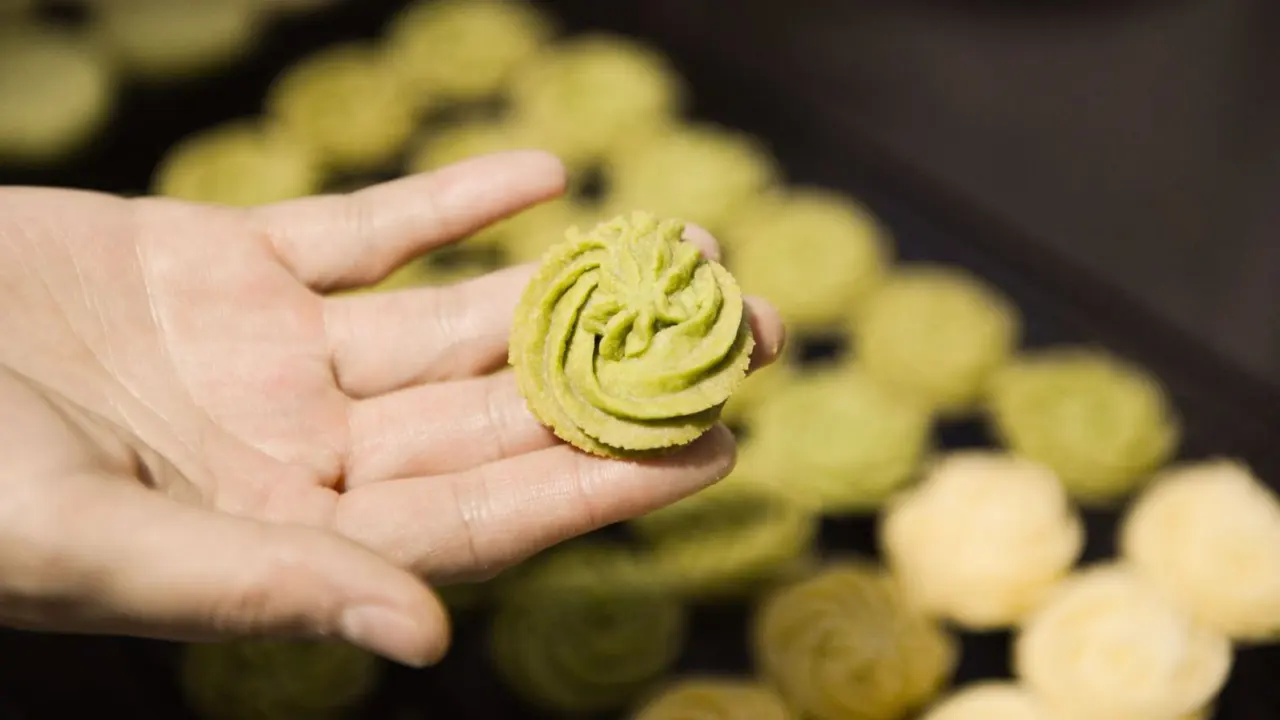
If you usually bake American-style cookies, expect something different here. These are closer to a Japanese tea-time biscuit: pale, fine-grained, crumbly at the edge and meant to be eaten with a hot cup, not dunked in cold milk.
Ingredients
This is the ingredient list from the tested recipe. Weigh everything on a kitchen scale, because cups vary a lot with flour.
- 320 grams unbleached all-purpose flour
- 20 grams nonfat milk powder, which adds a soft, toasty roundness
- 3/4 teaspoon kosher salt
- 227 grams unsalted butter, at room temperature
- 114 grams granulated sugar
- 1 tablespoon matcha green tea powder
- 2 teaspoons vanilla bean paste
The source author notes that the dough has a subtle grassy matcha flavour. If you want it stronger, a reader comment on the same page mentions using more matcha, so adjust in small steps.
Which matcha to buy for baking
Ceremonial matcha is expensive, and sugar and butter soften its finer notes anyway. Another cookie recipe says that culinary grade matcha is less expensive, but its colour and flavour may not be fabulous.
A middle-of-the-road powder that works for drinks and cooking is a sensible choice. That recipe, from Viet World Kitchen, also warns that matcha now often comes sweetened for convenient drinks, so read the label for plain powder.
Sieve the matcha into the flour. Clumps leave bitter green streaks in the baked cookie.
When you open a new tin, smell it first. Good powder smells fresh and vegetal, almost like cut grass or seaweed. A dull, hay-like smell usually means the powder is old, and baking will not bring the flavour back.
Store the tin sealed and away from light and warmth once opened. Matcha is a fine powder that loses its aroma faster than most pantry staples, so buy a size you will finish.
Method, step by step
- Whisk the flour, milk powder, salt and sifted matcha together.
- Beat the soft butter with the sugar until pale and smooth, then mix in the vanilla paste.
- Add the dry mix and stir only until a dough forms. Overworking makes shortbread tough.
- Shape or roll the dough, cut it, and chill it in the refrigerator for at least 20 minutes.
- Heat the oven to 300°F while the cookies chill.
- Bake for 20-22 minutes, until the edges are set. They should stay pale and green, not golden.
- Cool on the tray for a few minutes, then move them to a rack.
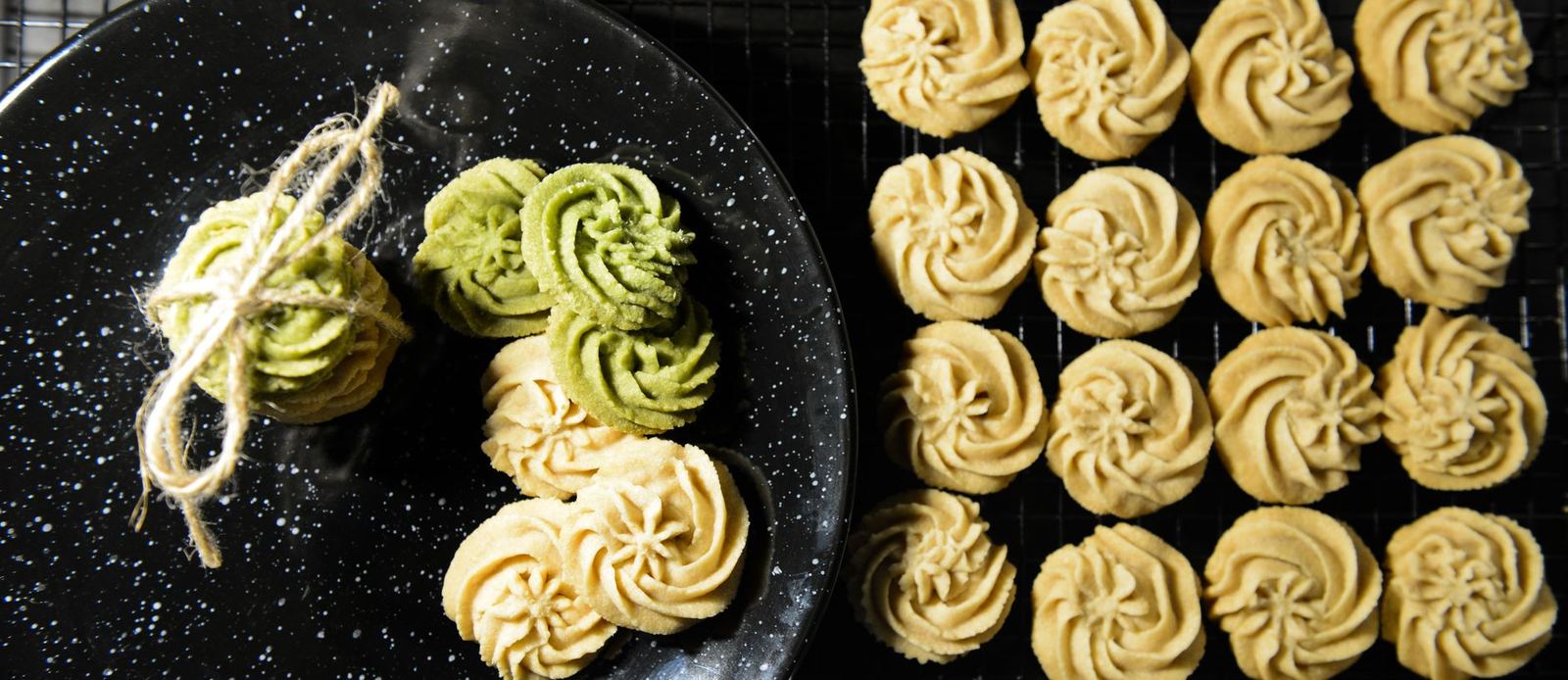
The source explains that these cookies bake low and slow to preserve the delicate matcha flavour. That slow bake is what dries the edges to a crisp while the centre stays tender.
Tips for colour, texture and flavour
Most problems come down to temperature, mixing or timing. Use this quick guide when a batch does not turn out as hoped:
- Cookies spread thin: the butter was too soft or the dough was not chilled long enough. Chill again and bake a test cookie first.
- Cookies taste flat: the matcha may be stale, or the dough needs a small pinch more salt. Salt lifts the tea flavour.
- Cookies are hard rather than crisp: the dough was overworked, which develops gluten. Stir only until it comes together.
Matcha cookies never stay neon green. Expect a soft, muted green, and treat a brown edge as a sign the oven was too hot.
- Keep the heat low. Use an oven thermometer, since many home ovens run hot.
- Do not skip the chill. Cold dough holds its shape and spreads less.
- Cut evenly. Uniform thickness means uniform colour and crispness.
- Store airtight. Crisp edges soften quickly in humid air.
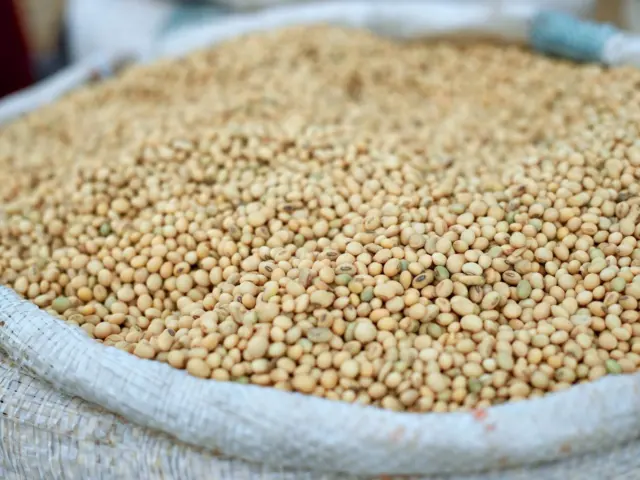
For a nutty variation, you could roll the baked cookies lightly in toasted soybean flour. Our guide on what is kinako explains how that flour tastes and how to use it.
Once you are comfortable with the base, you can vary it a little. Keep changes small so the matcha stays in front:
- Press a few chopped white chocolate pieces into the dough for sweetness against the bitterness.
- Add finely chopped toasted nuts for crunch.
- Dust the cooled cookies with a thin veil of sifted matcha for a stronger first taste.
- Sandwich two cookies with a thin layer of plain white chocolate ganache.
Give any variation time to cool completely before you judge it. Shortbread continues to firm up as it cools, and the flavour of the tea is clearer once the butter has set.
What to drink with them
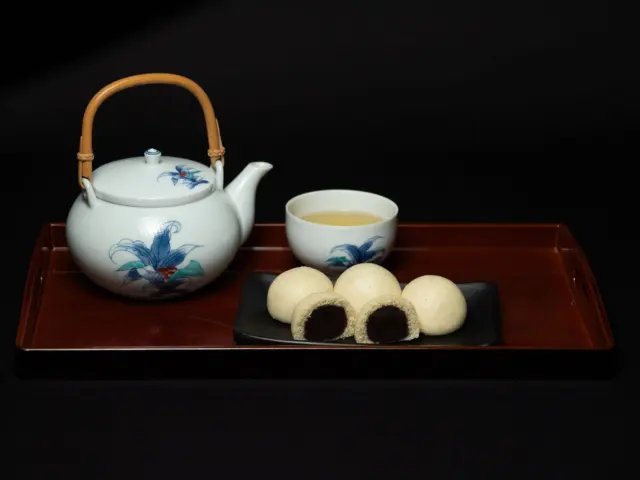
These cookies already taste of tea, so pair them with something that does not fight the matcha. Roasted teas such as hojicha, or a plain unsweetened sencha, are natural partners.
Our notes on japanese tea pairing with sweets go through which teas suit which desserts, so you can match the bitterness to the sweetness.
A simple rule helps: let the cookie be the sweet, rich part and the drink be the clean, slightly astringent part. A hot cup resets your palate between bites, so each cookie tastes as vivid as the first.
If you prefer a cold drink, unsweetened iced barley tea or cold-brewed green tea follows the same logic.
Frequently asked questions
Can I use ceremonial matcha in cookies?
Show answer
You can, but it is a poor use of money. Butter and sugar mute its subtlety, so a mid-priced everyday or culinary powder gives a similar cookie.
Why did my cookies turn brown instead of green?
Show answer
The oven was probably too hot or the bake too long. The tested recipe bakes at 300°F for 20-22 minutes to keep the colour.
Do I have to chill the dough?
Show answer
For this shortbread-style dough, yes. The source recipe chills it for at least 20 minutes, which helps the cookies keep their shape.
Why use milk powder?
Show answer
The recipe uses nonfat milk powder, 20 grams, for a softer, rounder flavour.