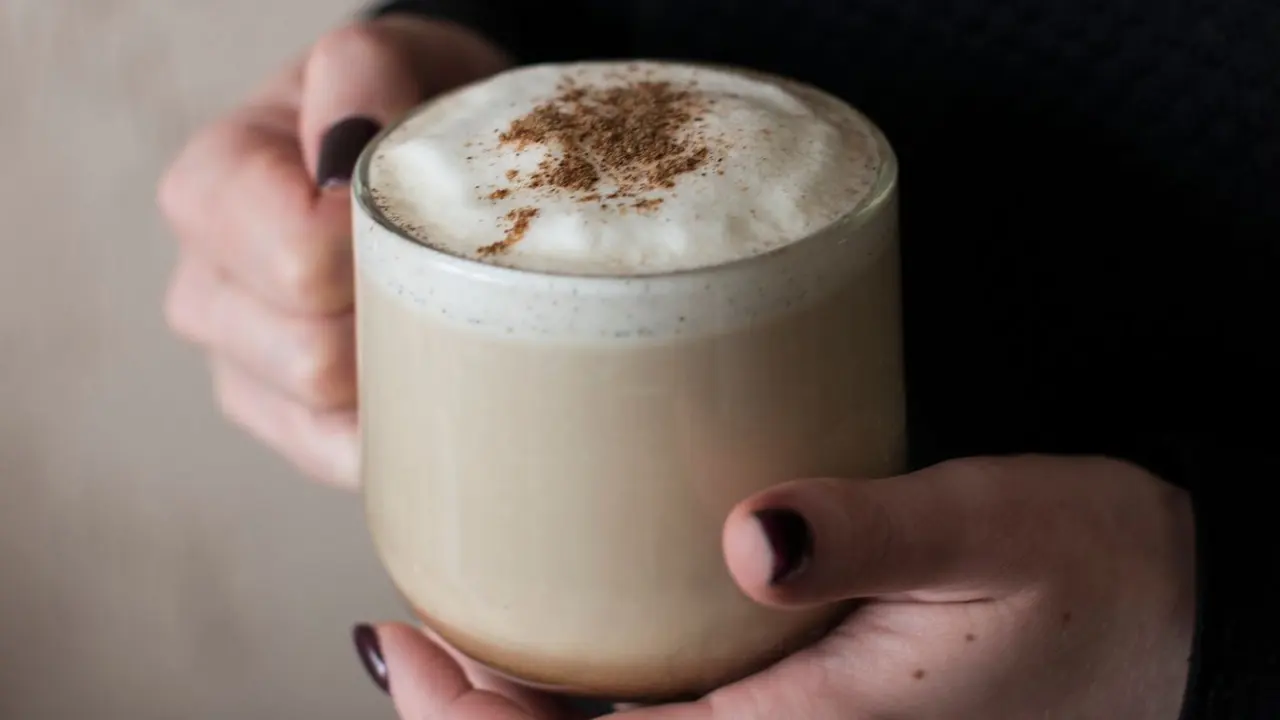
Craving something warm, toasty and gentle on your evening? This hojicha latte recipe needs only powder, a splash of hot water and milk, and takes minutes.
This drink sits at the heart of japanese tea and sweets, where roasted tea meets something creamy.
| Item | Value |
|---|---|
| Hojicha powder per latte | 2-3 grams (1 tsp) |
| Milk or milk alternative | 8-12 oz |
| Hot water for mixing the powder | 1 oz |
| Roasting temperature of the leaves | 150 °C (302 °F) |
| Suggested brewing temperature for the tea | 82 °C (180 °F) |
Amounts come from a tea seller’s hojicha latte recipe and roasting facts from Wikipedia’s hojicha entry. Figures can change, so check the sources before you rely on them.
What makes hojicha different from other green teas
Hojicha is a Japanese green tea that is roasted rather than only steamed. It is made from bancha or kukicha, which are the more mature leaves and the stems of the tea plant.
According to Wikipedia, the leaves are roasted at 150 °C (302 °F), which gives them a light golden-brown look and removes the grassy edge of other Japanese teas. The same page says the roasting replaces the vegetative tones with a toasty, slightly caramel-like flavour.
That flavour is why hojicha suits milk so well. It tastes a little like toasted nuts and caramel, and it has very little bitterness, so it never fights with dairy or plant milks.
If you are still deciding between this and its famous cousin, our guide to matcha vs hojicha explains the differences in taste and preparation.
Ingredients and equipment for one latte
You need very little. Most of the quality comes from the tea, so choose a fresh, fragrant hojicha powder if you can.
- Hojicha powder: 2-3 grams, which is about 1 tsp, for one cup.
- Hot water: about 1 oz, just enough to make a smooth paste.
- Milk or milk alternative: 8-12 oz, depending on how strong you like it.
- Sweetener or spice (optional): honey, maple syrup, brown sugar syrup or a pinch of cinnamon.
- Tools: a small bowl and a bamboo whisk, a small hand whisk or a spoon, plus a milk frother if you like foam.
The tea seller whose recipe we reference lists the amounts as “2-3 grams (1 tsp) Mizuba Organic Powdered Hojicha 8-12 oz milk or milk alternative of choice 1 oz hot water”. Any good hojicha powder can be used in the same way.
How to make a hot hojicha latte
The method has one trick: dissolve the powder in a little hot water first. That stops clumps and gives a silky base before the milk goes in.
- Add the hojicha powder to your cup or a small bowl.
- Pour in about 1 oz of hot water and whisk or stir until the powder is fully blended and there are no lumps.
- Heat your milk gently on the stove, or steam or froth it with your favourite method.
- Pour the warm milk over the hojicha mixture and stir.
- Taste, then add sweetener or a little spice if you want it.
Try not to let the milk boil. Gentle heat keeps the sweetness of the milk and lets the roasted notes come through cleanly.
Because the powder is made of whole ground leaf, a quick stir just before drinking helps. Some of it will settle at the bottom of the cup if the latte sits for a while.
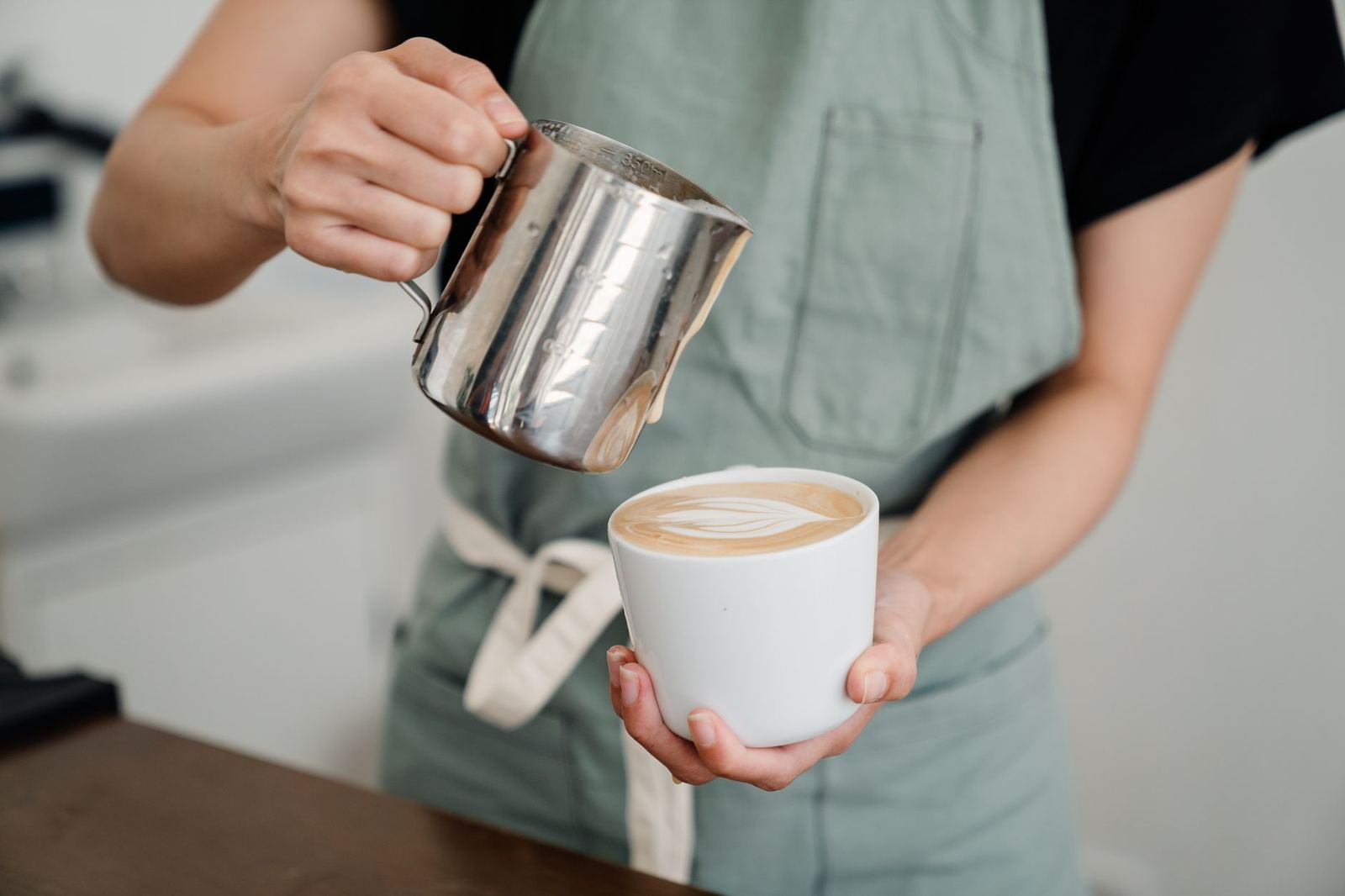
Iced hojicha latte and other variations
For a cold version, mix the powder with the small splash of hot water as before. Then pour the mixture over ice and top with milk or a milk alternative.
Once you have the base, small changes make it feel new:
- Vanilla: a drop of vanilla extract softens the roasted edge.
- Brown sugar or honey: adds a rounder, caramel-like sweetness.
- Oat or soy milk: oat milk adds natural sweetness, while soy gives a creamier body.
- Warm spices: cinnamon or a small pinch of ginger suits cold evenings.
- Whipped cream: turn it into a dessert-style drink.
If you like frozen treats, the same roasted flavour works in desserts. Wikipedia lists ice cream, roll cake, pudding and tiramisu among the sweets made with hojicha, and our matcha ice cream recipe is a good starting point for adapting a frozen dessert.
Is a hojicha latte low in caffeine?
Hojicha is usually described as a gentler choice than other green teas. Wikipedia states that the roasting process used to make hojicha also lowers the amount of caffeine in the tea.
Some tea sellers go further and call a hojicha latte nearly caffeine-free. Treat that as a loose description rather than a promise, because the exact amount depends on the leaf, the brand and how much powder you use.
If you are sensitive to caffeine or have been given medical advice about it, check the label of your tea and ask a health professional rather than relying on a general claim.
Tips for a better cup
- Use fresh powder. Store it sealed, away from light, heat and moisture, so the aroma stays bright.
- Sift if needed. A small sieve removes clumps before you add the water.
- Start with less sweetener. Hojicha already tastes slightly caramel-like, so you may need very little.
- Match the milk to the mood. Whole milk gives richness, while a light plant milk lets the tea speak.
- Adjust the strength. More milk makes it softer; a little less milk makes it bolder.
Loose leaf hojicha can also be brewed. Wikipedia gives a brewing temperature of 82 °C (180 °F) for 30 sec to 3 minutes, and a strong brew can then be mixed with warm milk for a lighter latte.
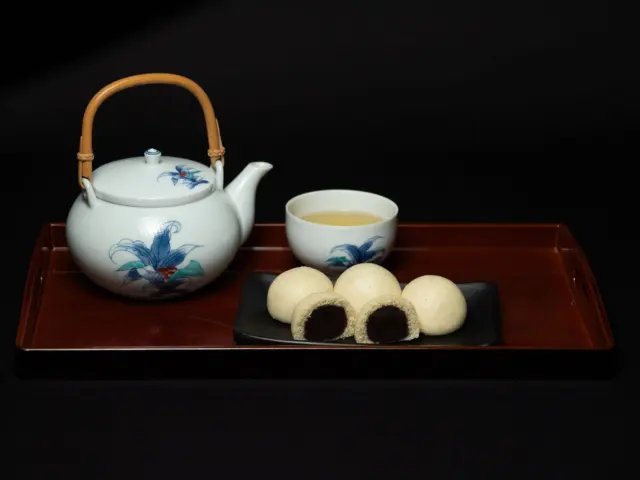
Serve it in a wide, warm mug so the aroma rises as you sip. A small cookie, a slice of castella or a piece of dorayaki makes a calm afternoon pairing, because the roasted tea is not sweet and balances sugary bites well.
Finally, trust your own taste. If the cup seems flat, add a pinch more powder; if it seems heavy, add more milk. After a couple of tries you will know your ideal balance by eye.
Frequently asked questions
How much hojicha powder do I need for one latte?
Show answer
The recipe we reference uses 2-3 grams, about 1 tsp, per cup with 8-12 oz of milk. Add a little more if you want a stronger roasted taste.
Can I make a hojicha latte with plant milk?
Show answer
Yes. The source recipe says milk or a milk alternative of your choice works, so oat, soy or almond milk are all fine options.
Why does hojicha taste less bitter than other green teas?
Show answer
Wikipedia says the lower astringency comes from the tea losing catechins during high-temperature roasting. The result is a toasty, mild cup.
How do I make it iced?
Show answer
Mix the powder with a splash of hot water, pour it over ice and top with milk. It is the same method as the hot version, only with cold milk.