Worried your custard will curdle or your cheesecake will crack? Here is how to bake in a water bath: set the dish in a larger pan, add hot water halfway up, and bake gently.
| Item | Value |
|---|---|
| Oven setting for flan | 325 degrees |
| Water depth | Halfway up the sides of the ramekins |
| Water type (flan guide) | Very hot tap water, not boiling |
| Boiling-start bath (test kitchen) | Cooked fastest, smoother texture |
| Ice-water start (test kitchen) | Bottom done, top overcooked |
These figures come from Food.com’s flan guide and America’s Test Kitchen. They can change, so check the source before you rely on them.
What a water bath does for delicate desserts
A water bath, also called a bain-marie, is a gentle cooking method. Dr. Oetker describes it as placing a container of food in a larger pan filled with hot or boiling water, which cooks the food gently and evenly (Dr. Oetker).
Dry oven air is much hotter than water can get before it boils. Surround a dessert with water and the edges can’t race ahead of the middle.
That matters for anything built on eggs and dairy. Egg proteins set over a narrow temperature range, and push them too far and the texture turns grainy, rubbery or weepy.
The Food.com flan guide says the water bath ensures the custard’s temperature rises slowly, so it thickens gradually into a creamy, smooth texture.
The same logic applies to many desserts you may know from Japanese bakeries and cafés, such as purin (custard pudding) and baked cheesecake. Their charm is a smooth, tender centre, and gentle heat protects it.
Which desserts need a bain-marie?
Not everything does. A water bath is worth the fuss when the dessert is mostly set egg custard and needs a silky crumb-free texture.
- Flan, crème caramel and purin-style custard puddings
- Crème brûlée and pots de crème
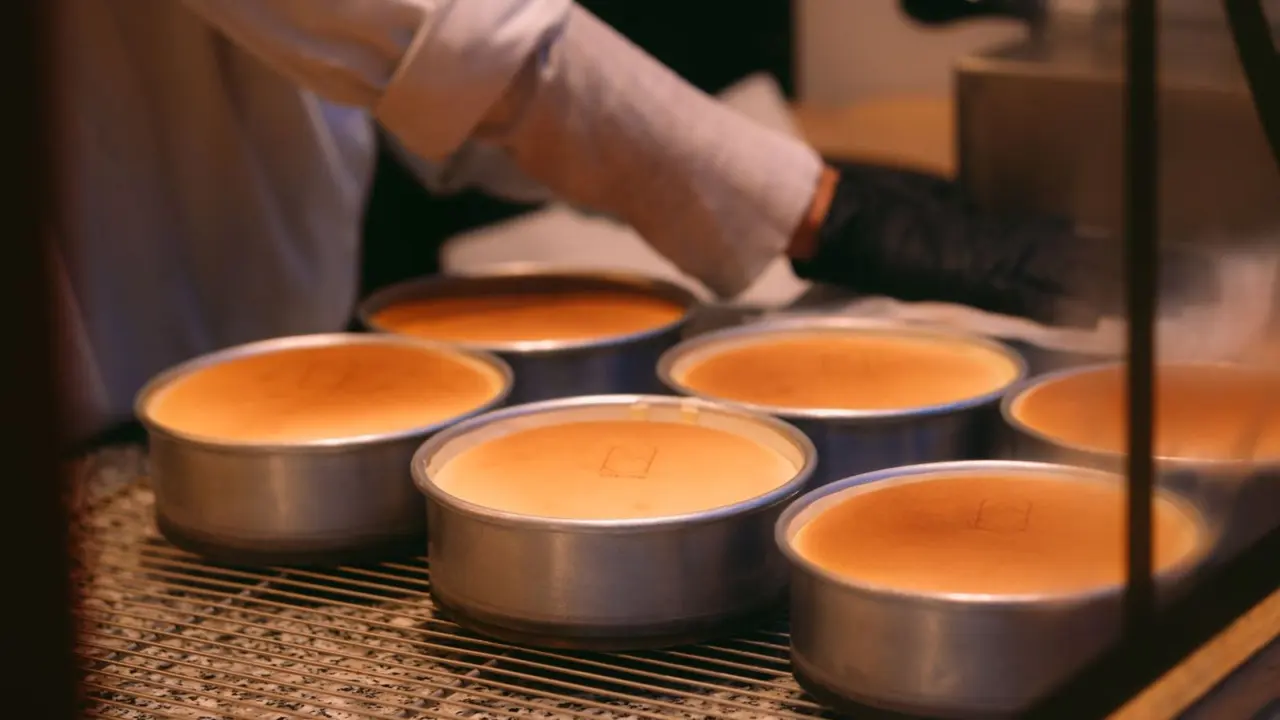
- Baked cheesecake, including the soufflé-style kind with a wobbly centre
- Bread pudding and other soft baked puddings
America’s Test Kitchen lists crème brûlée, flan and cheesecake as recipes whose success depends on baking in a water bath, which lets these delicate desserts cook more evenly and slowly.
Sponge cakes, cookies and most breads don’t need one. Those want dry heat for browning and structure.
How to bake in a water bath, step by step
You need three things: your filled dish or dishes, a larger pan with sides (a roasting tin or deep baking dish), and hot water. Set the kettle going before you start.
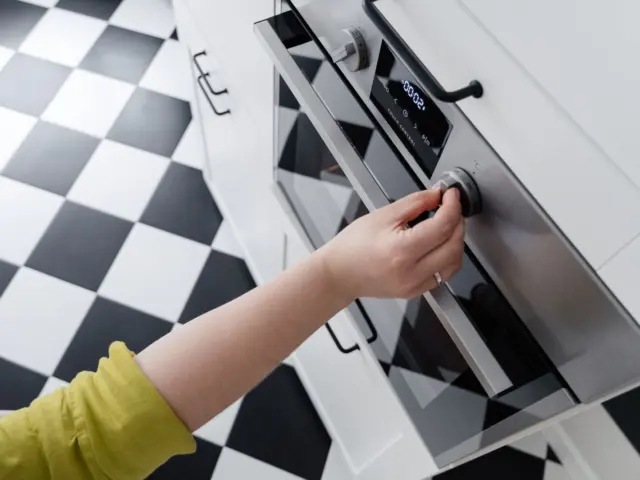
- Heat the oven. For flan, the Food.com guide places the filled ramekins in an oven preheated to 325 degrees.
- Place a folded kitchen towel in the bottom of the large pan if you are using ramekins. The guide notes that the towel keeps the ramekins from sliding around once water is added.
- Set the filled ramekins in the pan, then pull the rack out slightly and put the pan on it.
- Pour the hot water into the large pan, not into the dessert. The flan guide says to pour until it reaches halfway up the sides of the ramekins.
- Slide the rack in gently, and bake until the centre is just set with a slight wobble.
- Lift the dishes out with tongs or a thick cloth, and cool as the recipe directs.
Filling the pan after it is on the rack is the single best way to avoid sloshing. A jug with a spout gives you more control than a kettle.
Hot, boiling or cold water?
Recipes disagree here, so it helps to see the evidence. America’s Test Kitchen baked crème brûlée in ramekins and cheesecake in a 9-inch springform pan, using boiling, room-temperature and ice-cold starting water.
In the boiling-start baths, both desserts cooked the fastest and had a smoother, more uniform texture. The ice-water batches cooked unevenly: the bottom half was perfectly done while the top half was overcooked.
The Food.com flan guide takes a slightly different line: use very hot tap water, but not boiling water. It warns that boiling water will cause the edges of the flan to cook too quickly and make the texture too firm.
A sensible reading is that hot water beats cold. Start from very hot or boiling water, depending on your recipe, and avoid cold, which stalls the bath while the top of the dessert keeps cooking.
Springform cakes and leaks
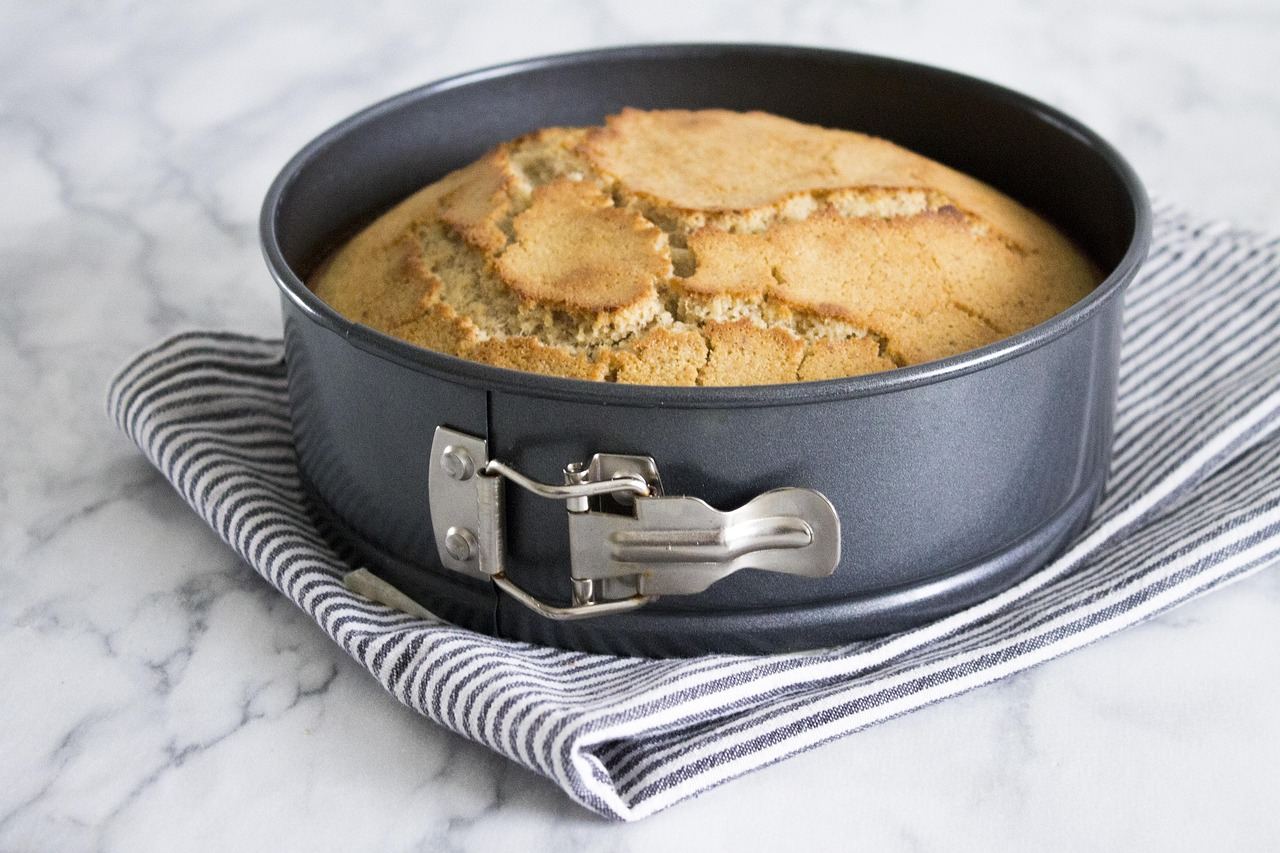
A cheesecake in a springform tin needs extra care, because water can seep through the seam in the base. Dr. Oetker’s method starts by wrapping the bottom of the springform tin tightly with foil.
Wrap the foil up the sides too, and use a large sheet so there are no seams under the tin. Double layers are cheap insurance.
If you don’t trust foil, some bakers use a sealed oven bag or bake the cake in a solid-bottomed tin placed inside the pan. Either avoids a soggy crust.
Pour in the hot water carefully, and keep it away from the batter. Dr. Oetker’s guide also says that a bath helps cheesecake avoid cracks, because steam lifts it slowly and evenly.
Cooling, and mistakes to avoid
The bath doesn’t end when the timer does. Dr. Oetker’s instructions say that once the cheesecake is done baking, you should turn off the oven and leave the door open slightly, so it cools slowly instead of shocking.
Common slip-ups, and how to fix them:
- Water too shallow: the tops of tall dishes cook faster than the bottoms. Aim for halfway up the sides.
- Cold water: it slows the bottom and leaves the top overcooked, as the test-kitchen batches showed.
- Splashing into the batter: pour near the edge of the large pan, never over the dishes.
- Overbaking: pull custards when the centre still trembles slightly. Residual heat finishes the job.
- Skipping the wrap on springform tins: leaks make the crust soggy.
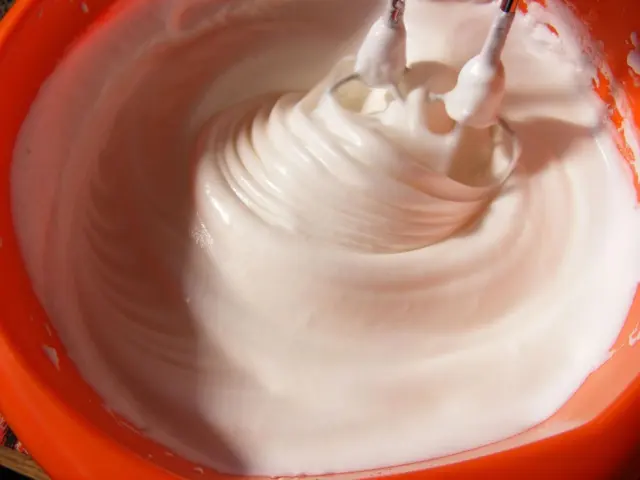
Good technique before the oven counts as much as the bath itself. If your batter includes whipped eggs, read how to whip egg whites to stiff peaks before you start, and learn how to fold batter so you keep the air in.
For more oven fundamentals, browse the rest of our baking basics guides.
Frequently asked questions
Can I bake a cheesecake without a water bath?
Show answer
You can, but the risk of cracks, dry edges and an uneven texture goes up. Dr. Oetker’s guide says skipping the bath increases the chances of cracks, an uneven texture or dryness.
Should the water be boiling?
Show answer
It depends on the recipe. The America’s Test Kitchen tests favoured a boiling start for crème brûlée and cheesecake, while the Food.com flan guide recommends very hot tap water instead. Both agree cold water is the weaker choice.
How high should the water come up?
Show answer
For ramekins, the Food.com flan guide says halfway up the sides. Check your own recipe for deeper or shallower baths.
Do I need a special pan?
Show answer
No. Any roasting tin or baking dish with sides, large enough to hold your dishes with room around them, works well.